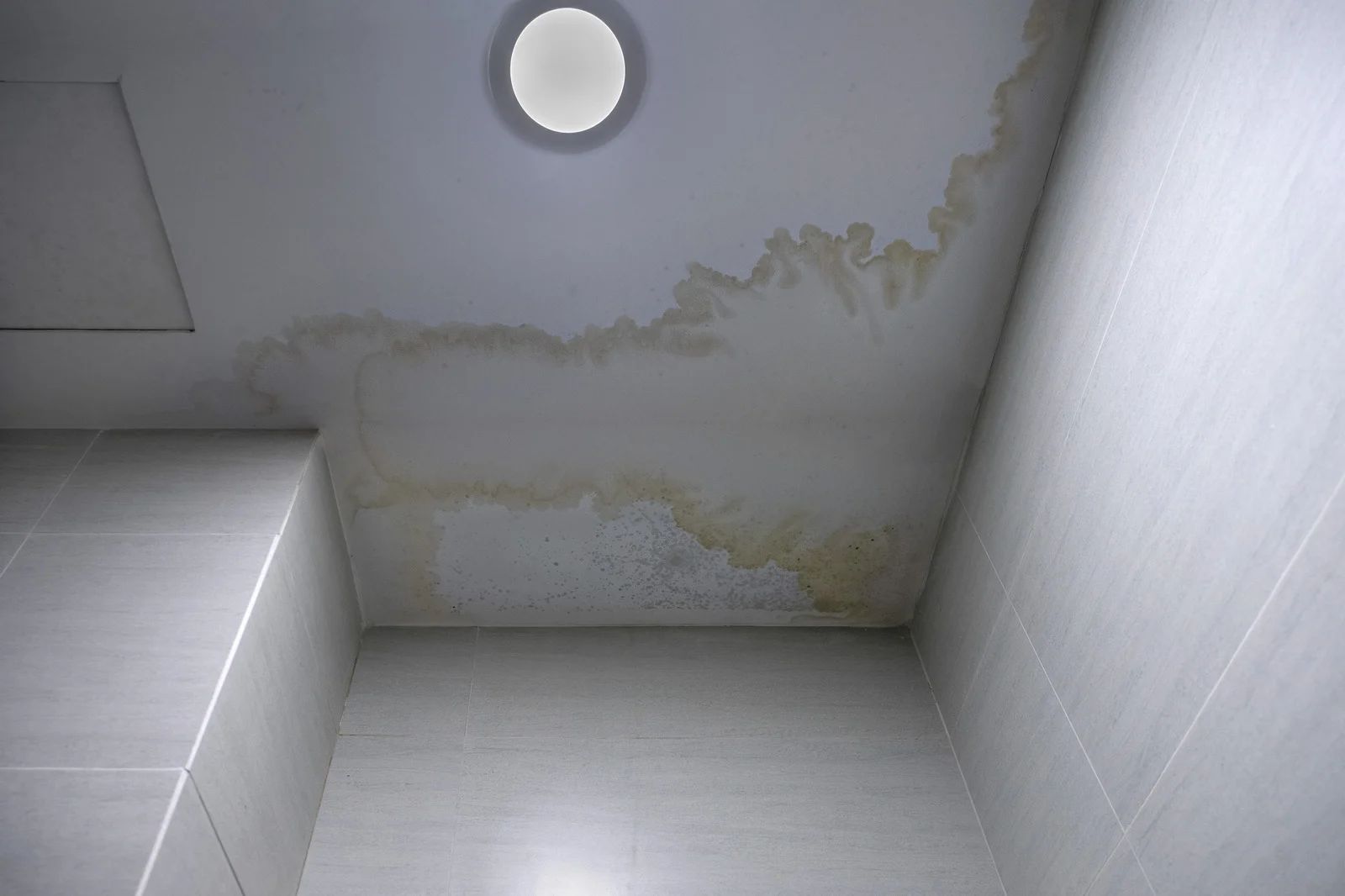
Hail Just Hammered the Roof? What Damage to Check For Before the Next Rain
August 20, 2026
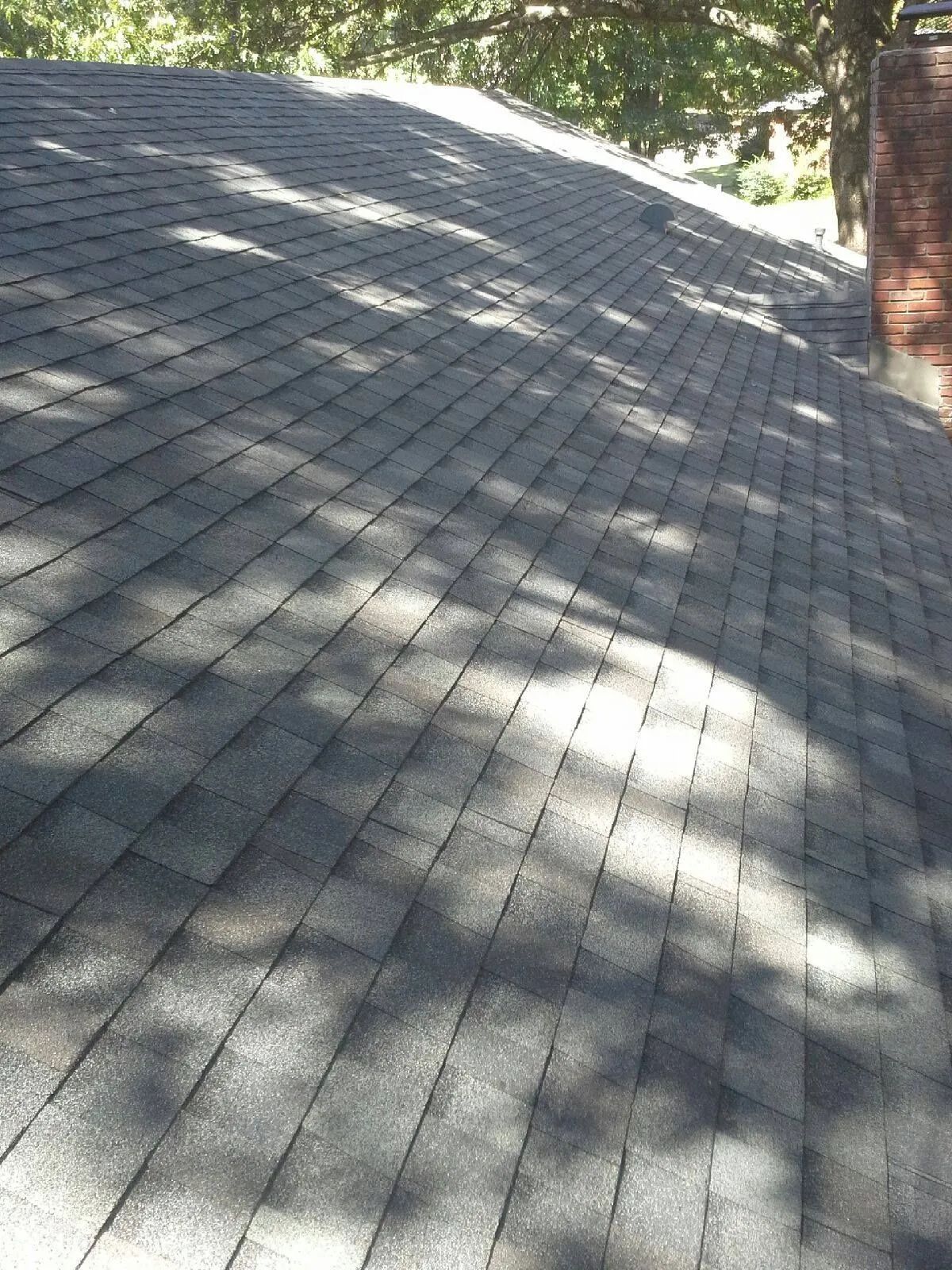
Skylights are a functional and aesthetic asset, but only when they are installed and maintained with precision. From the structural modifications required during installation to the layered flashing systems that keep water out, every phase of skylight work carries real consequences when it goes wrong. Investing in professional services at the outset prevents far more serious problems down the line. Whether a skylight is newly planned or already showing signs of wear, the right professional guidance makes a measurable difference in performance and longevity.
Lindsey Roofing
has served homeowners in Olive Branch, Mississippi for over 38
years, building a reputation grounded in technical precision and honest work. We specialize in residential roofing and repair services, including
skylight installation, flashing repair, and full roof assessments. Our experience across decades of Mississippi weather gives us a practical understanding of what roofing systems in this region actually face. We approach every skylight project the same way we approach every roof: with thorough inspection, sound materials, and workmanship designed to hold up over time. Homeowners in the Olive Branch area trust us not because of what we promise, but because of what we deliver on every job. When skylights need installation, repair, or a professional second opinion, we bring the depth of knowledge that only comes from decades of hands-on roofing work.
Water intrusion around skylights is the most reported problem in residential roofing. In most cases, the leak does not come from the skylight unit itself but from the flashing system surrounding it. Sealant-only installations — where caulk replaces proper flashing — are a frequent cause. Caulk degrades, shrinks, and separates over time, especially under thermal cycling and UV exposure. Once it fails, water finds the path of least resistance directly into the roof deck and ceiling below.
Condensation that forms on the inside of a skylight is a different problem from a leak, though homeowners often confuse the two. Interior condensation indicates a thermal break failure or inadequate ventilation around the unit. It is particularly common in bathrooms and kitchens where humidity levels run high. The fix may involve upgrading to a double-pane or triple-pane unit, improving room ventilation, or addressing air sealing around the skylight frame.
Condensation on Interior Surfaces
Common Skylight Problems and Their Root Causes
Leaks and Water Intrusion
A professional skylight repair begins with a thorough inspection rather than an immediate fix. This includes checking the flashing sequence, examining the roof deck for rot or saturation, testing the glazing seals, and assessing the curb or frame for movement or settling. Jumping to a quick sealant patch without understanding the full picture typically results in the same problem returning within a year.
Diagnosis Before Action
Cracked or Damaged Glazing
Older skylights often used acrylic or polycarbonate glazing, both of which yellow, crack, and become brittle over time. Modern installations favor tempered or laminated glass, which holds up significantly better under impact and UV exposure. A cracked skylight panel should be addressed promptly. Beyond the obvious leak risk, cracked glazing can fail unpredictably under load, creating a safety concern during heavy rain or snow.
When glazing needs replacement, the unit must often be partially or fully removed to do the job correctly. Frame repairs may involve reseating the skylight on its curb, shimming for level, and reapplying sealant to the interior trim. In cases where the frame has deteriorated due to prolonged moisture exposure, full unit replacement is the more practical path.
Glazing and Frame Repairs
Quick Answer: Hail rarely punches a hole straight through a roof. It bruises the shingle mat, knocks off the protective granule coating, and dents anything soft metal it touches — gutters, downspouts, vents, and flashing. The National Weather Service classifies hail one inch across, roughly quarter-sized, as the threshold for a severe thunderstorm, and stones at or above that size are the ones most likely to leave marks worth checking. Start at the ground with your gutters and downspouts, since soft metal shows impacts long before shingles do, then look for the FAQ on how to safely check the rest without climbing up yourself.
You hear it before you see it — that rattling, popping sound on the roof that makes you wonder if the windows are about to go next. Then it's over, the sun comes back out, and the roof looks exactly the same as it did an hour ago. No hole. No missing shingles scattered across the yard. Just a quiet house and a nagging feeling that something up there took a beating.
That feeling is usually right. Hail damage is sneaky by nature. A storm can drop ice the size of quarters or golf balls across Olive Branch, Southaven, or Collierville and leave a roof that still sheds water the next time it rains — for a while. The damage that's actually there sits below the surface, in bruised mat and stripped granules, and it tends to show up as a leak eight or twelve months later, long after anyone remembers the storm that caused it. Here's what a hailstorm actually does to a roof, and where to look first.
Why the Roof Can Look Fine and Still Be Hurt
Wind damage announces itself. A shingle lifts, tears, or blows off entirely, and you can spot the gap from the driveway. Hail doesn't work that way. Instead of tearing material off the roof, it strikes down and compresses whatever it hits. On an asphalt shingle, that impact bruises the mat underneath the granule layer — think of pressing a thumb into an apple. The skin doesn't break, but the flesh underneath goes soft, and it stays that way.
That bruise is the problem. Granules are the roof's actual armor against UV rays and water, and once a hail strike knocks a patch of them loose or compresses the mat beneath, that spot loses its ability to shed water the way the rest of the shingle does. It doesn't leak on day one. It leaks the next time water sits there a little too long, or the next time UV exposure works on that weakened spot a little more than the shingles around it. A roof can pass the eye test from the yard and still be carrying dozens of these soft spots.
Not every hailstorm leaves marks worth chasing. Small hail, the pea and marble sizes under half an inch, mostly just knocks a little surface dust around and rarely bruises a mat with any real force behind it. The stones that matter are quarter-sized and up.
What Size Hail Actually Causes Damage
Size is the first filter, and it's worth understanding before you go looking for trouble that isn't there. The National Weather Service uses a simple comparison scale to standardize how hail gets reported: pea at a quarter inch, mothball or peanut at a half inch, penny at three-quarters, nickel at seven-eighths, quarter at a full inch, half dollar at one and a quarter, ping-pong ball at one and a half, golf ball at one and three-quarters, and on up through tennis ball and baseball sizes in the rare, more violent storms. A thunderstorm officially earns the "severe" label once hail reaches one inch, the quarter-size mark, because that's roughly where impacts start doing real work on roofing materials, siding, and vehicles.
Under that mark, you're usually looking at cosmetic dust at most. At and above it, the odds of bruised shingles and dented metal climb fast, and the size difference matters more than it seems. A stone that's twice the diameter carries something like eight times the mass, which means the jump from quarter-size to golf-ball-size isn't a small step up — it's a completely different level of force hitting the roof. If your area got hit with anything the radar or a neighbor described as golf-ball or bigger, treat an inspection as worth doing, not optional.
Start at the Ground: Soft Metal Tells the Story First
Before anyone gets on a ladder, walk the perimeter of the house and look at the soft metal. Gutters, downspouts, roof vents, and exposed flashing are usually the easiest places to spot hail impacts, because they dent the way a car hood dents — visibly, immediately, and in a shape that doesn't go away. A gutter run with a scattering of small, round dimples along the top edge is telling you exactly what size hail came through and how hard it hit.
This matters even if you never plan to fix a dented gutter, because it's a stand-in for what happened on the roof. Shingles and soft metal usually take the same storm at the same angle, so a gutter full of dents is a strong hint that the shingles above it took a similar beating, even if the shingle damage itself is harder to see from the ground.
Check downspouts and vent caps too. They're lower to the ground, easier to inspect closely, and often show the clearest, cleanest dent pattern on the whole property — a fast way to confirm hail actually struck hard enough to matter before you spend more time on the roof itself.
Tip: Take photos of any dented gutters, downspouts, or vent caps right after the storm, from a couple of angles and with something for scale, like a coin held next to the dent. Metal holds its shape, so those photos still show the true impact pattern weeks later, even after rain and sun have started softening the visible bruising on the shingles above.
What Hail Does to the Shingles Themselves
Once you've got a read on the metal, the shingles are the harder call, and this is where a trained eye matters most. Hail bruising on an asphalt shingle shows up as a dark, slightly discolored spot where the granules have been knocked loose, and it often feels soft or spongy when pressed, almost like that bruised apple. From a distance or a photo, it can look like nothing more than a shadow or a bit of dirt.
Granule loss is the other tell, and it's more than a cosmetic issue. Those granules block UV light from breaking down the asphalt underneath and give the shingle its water-shedding texture. A hail strike hard enough to bruise the mat almost always knocks granules loose around the impact point, sometimes leaving a small halo of bare, shiny asphalt visible at the center. Over the following weeks, granules from those bruised spots often wash into the gutters, so a sudden pile of fresh granules after a storm — different from the slow, steady granule loss of an aging roof — is worth paying attention to.
On metal roofing, the story is more visible. Hail leaves actual dents in the panels, and even a shallow one can crack the protective coating, opening a spot where rust gets started. Tile and slate are the most brittle of the common roofing materials, and a hard enough strike can crack or shatter a piece outright rather than just bruise it, which is a very different kind of repair than a bruised shingle.
Warning: Don't walk a roof yourself to check for hail damage. Bruised shingles lose grip and traction exactly where you'd be stepping, wet granules underfoot are slick even on a dry day, and a soft spot in the decking underneath isn't something you can feel through a shoe until it's too late. Hail assessment is one of the jobs worth leaving to someone who does it for a living, with the right footwear, harness, and eye for what a bruise actually looks like versus a shadow.
Why This Isn't a Wait-and-See Situation
A bruised shingle that isn't replaced doesn't heal. It sits there through the next round of Mid-South heat, through the next heavy downpour, through the next freeze-thaw swing, and every one of those cycles works on that weak spot a little more. What starts as a compressed mat under a thin patch of missing granules eventually cracks open, and by the time it's leaking into the attic, the shingle around it has usually failed too, not just the one spot the hail actually hit.
The timing problem is what trips people up. A hail-damaged roof rarely leaks the week of the storm. It leaks months later, during an entirely different storm, and by then it's easy to blame the new weather instead of connecting it back to the hail that actually did the damage. Getting eyes on the roof close to the event, while the pattern of dents and bruises is still fresh and easy to map, makes it far easier to catch and correct before that connection gets lost.
There's also a simple math problem with waiting. A handful of bruised shingles caught early is a targeted repair. The same handful of bruised shingles left through a full year of Mid-South sun and storms often turns into a section of decking that's absorbed enough water to need replacing along with the shingles above it. Small, contained damage doesn't stay small once moisture gets a foothold underneath it.
Frequently Asked Questions
How do I know if hail actually hit my roof if I didn't see it happen?
Check gutters, downspouts, flashing, and vent caps for fresh round dents. If exposed metal shows noticeable hail impacts after a storm, the shingles above may have sustained similar damage as well.
Can hail damage a roof without any visible dents or holes?
Yes. Hail often bruises the shingle mat and loosens protective granules without creating obvious holes. Damage may remain hidden from ground level until weakened areas eventually begin leaking during storms.
What size hail is big enough to worry about?
Quarter-sized hail, measuring about one inch across, can potentially damage roofing materials. Larger stones, especially golf-ball-sized hail, carry greater impact force and significantly increase the likelihood of shingles sustaining damage.
Is it safe to inspect my own roof after a hailstorm?
Avoid walking on the roof after hail. Loose granules, wet surfaces, damaged shingles, and weakened areas can create hazards. Inspect visible gutters and vents safely from ground level instead whenever possible.
If my roof isn't leaking yet, does that mean the hail didn't cause real damage?
No. Hail damage may weaken shingles without causing an immediate leak. Bruised areas can gradually deteriorate through sunlight, rain, temperature changes, and aging before allowing water underneath the roofing system.
How soon after a hailstorm should the roof get checked?
Have the roof checked as soon as conditions safely allow. Fresh dents, granule loss, and bruising are easier to identify early, before additional rain and weather make damage harder to distinguish.
Understanding Hail Damage Before Problems Grow Worse
A hailstorm can pass through quickly, but the damage it leaves behind may develop slowly. Bruised shingles, loosened granules, dented flashing, and battered vents can remain unnoticed until repeated rain and heat expose those weakened areas. In Olive Branch, MS, Lindsey Roofing brings 38+ years of experience identifying storm-related roofing damage and understanding which signs indicate genuine concerns. Recognizing those details early provides a clearer picture of the roof’s condition before minor vulnerabilities become more extensive problems over time.
The most useful clues often appear in places homeowners can safely observe, including gutters, downspouts, and other exposed metal surfaces. When those areas show fresh hail impacts, the roofing materials above may deserve closer attention even when everything looks normal from below. Understanding how hail affects different roofing materials removes much of the uncertainty after a severe storm. With careful inspection and awareness of subtle damage patterns, homeowners can better understand what their roof has endured and what its condition means going forward.