Water Stain Spreading on the Ceiling After a Storm? Where Roofs Usually Leak
July 17, 2026
Skylights are a functional and aesthetic asset, but only when they are installed and maintained with precision. From the structural modifications required during installation to the layered flashing systems that keep water out, every phase of skylight work carries real consequences when it goes wrong. Investing in professional services at the outset prevents far more serious problems down the line. Whether a skylight is newly planned or already showing signs of wear, the right professional guidance makes a measurable difference in performance and longevity.
Lindsey Roofing
has served homeowners in Olive Branch, Mississippi for over 38
years, building a reputation grounded in technical precision and honest work. We specialize in residential roofing and repair services, including
skylight installation, flashing repair, and full roof assessments. Our experience across decades of Mississippi weather gives us a practical understanding of what roofing systems in this region actually face. We approach every skylight project the same way we approach every roof: with thorough inspection, sound materials, and workmanship designed to hold up over time. Homeowners in the Olive Branch area trust us not because of what we promise, but because of what we deliver on every job. When skylights need installation, repair, or a professional second opinion, we bring the depth of knowledge that only comes from decades of hands-on roofing work.
Water intrusion around skylights is the most reported problem in residential roofing. In most cases, the leak does not come from the skylight unit itself but from the flashing system surrounding it. Sealant-only installations — where caulk replaces proper flashing — are a frequent cause. Caulk degrades, shrinks, and separates over time, especially under thermal cycling and UV exposure. Once it fails, water finds the path of least resistance directly into the roof deck and ceiling below.
Condensation that forms on the inside of a skylight is a different problem from a leak, though homeowners often confuse the two. Interior condensation indicates a thermal break failure or inadequate ventilation around the unit. It is particularly common in bathrooms and kitchens where humidity levels run high. The fix may involve upgrading to a double-pane or triple-pane unit, improving room ventilation, or addressing air sealing around the skylight frame.
Condensation on Interior Surfaces
Common Skylight Problems and Their Root Causes
Leaks and Water Intrusion
A professional skylight repair begins with a thorough inspection rather than an immediate fix. This includes checking the flashing sequence, examining the roof deck for rot or saturation, testing the glazing seals, and assessing the curb or frame for movement or settling. Jumping to a quick sealant patch without understanding the full picture typically results in the same problem returning within a year.
Diagnosis Before Action
Cracked or Damaged Glazing
Older skylights often used acrylic or polycarbonate glazing, both of which yellow, crack, and become brittle over time. Modern installations favor tempered or laminated glass, which holds up significantly better under impact and UV exposure. A cracked skylight panel should be addressed promptly. Beyond the obvious leak risk, cracked glazing can fail unpredictably under load, creating a safety concern during heavy rain or snow.
When glazing needs replacement, the unit must often be partially or fully removed to do the job correctly. Frame repairs may involve reseating the skylight on its curb, shimming for level, and reapplying sealant to the interior trim. In cases where the frame has deteriorated due to prolonged moisture exposure, full unit replacement is the more practical path.
Glazing and Frame Repairs
Quick Answer: A ceiling stain after a storm is almost never directly below the leak. Water enters at a weak point on the roof, then runs along the decking and rafters before it drips onto drywall, so the stain can sit five to twenty feet from the actual opening. Most leaks start where materials meet or something pokes through the roof, such as flashing at a chimney or wall, a roof valley, a plumbing vent boot, or a skylight, rather than out in the open field of shingles. Finding the real entry point, not just the stain, is what stops it from coming back.
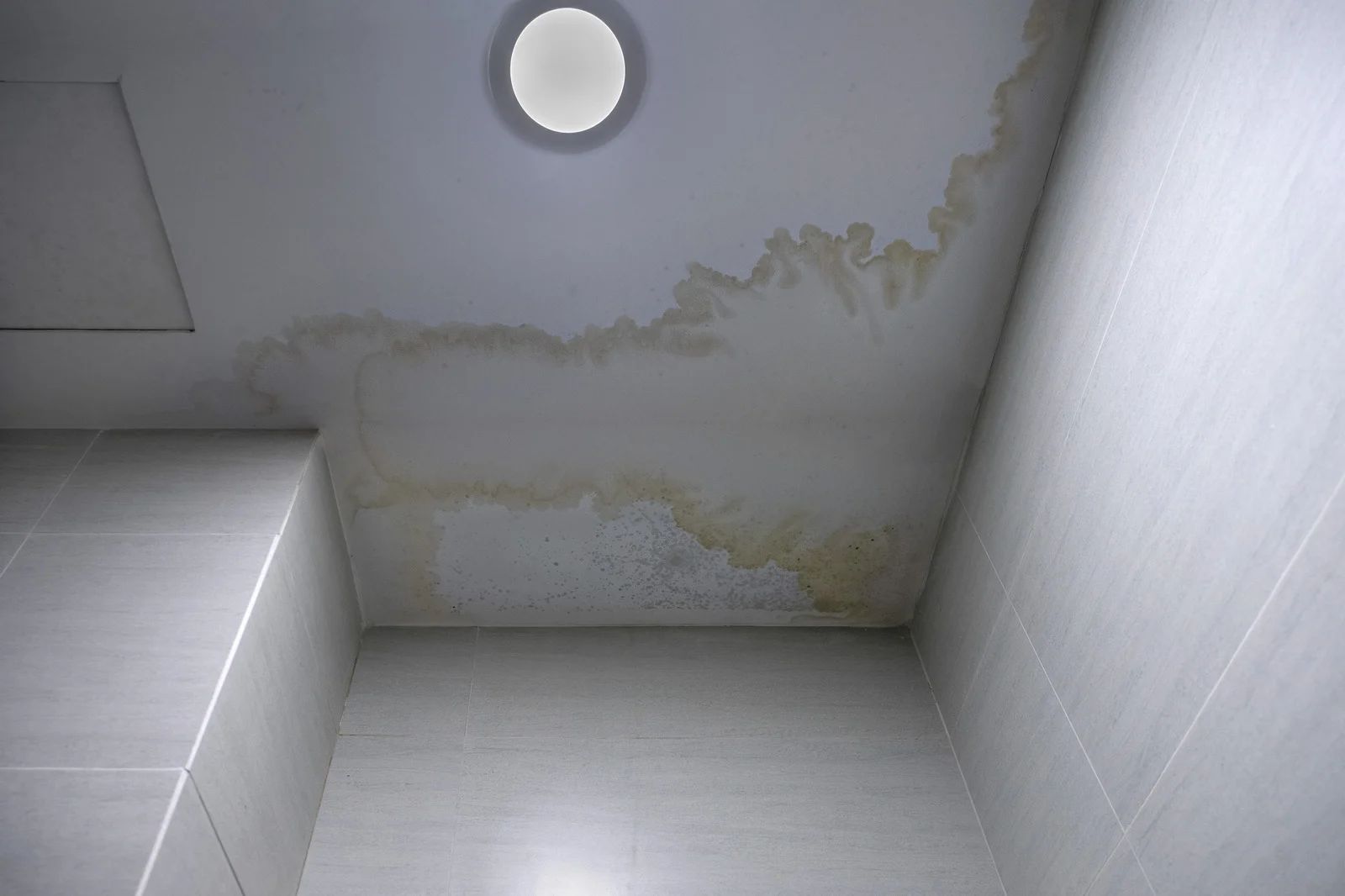
The rain finally quits, you walk through the house, and there it is on the ceiling: a brownish ring that was not there yesterday. Maybe it is the size of a dinner plate, maybe it has a darker bullseye in the middle, and by the next storm it looks a little bigger. Your first instinct is to look straight up and assume the hole in the roof is right there above the stain. That instinct is almost always wrong, and chasing it is how homeowners end up patching the ceiling twice.
After a hard Mid-South thunderstorm, with wind driving the rain sideways and two inches falling in an hour, water finds every tired seam on a roof. The stain on your ceiling is the last stop on a trail that started somewhere uphill. Understanding where roofs actually leak, and why the wet spot rarely marks the spot, is the difference between a lasting fix and a recurring headache. Here is how a roofer reads it.
Why the Stain Is Rarely Under the Leak
Water obeys gravity, but on a sloped roof it also obeys the framing. Once it gets past the shingles, it lands on the wood decking, runs downhill, and often hits a rafter that steers it sideways before it finally drips through the ceiling drywall. That is why the stain shows up where it does. Roofers who trace these leaks in the field find the true entry point is commonly five to twenty feet upslope from the stain, not directly above it.
Follow the water uphill, not straight up. The entry point is always at the top of the water trail, never the bottom, because water only runs down. When a roofer gets in the attic, the job is to find the wet streaks on the underside of the decking and the dark trails running along the sides of the rafters, then follow them toward the peak until the trail ends at a hole, a gap, or a failed seal.
This is also why a roof can look perfectly fine from the ground while your ceiling stains. According to the International Association of Certified Home Inspectors, roughly forty percent of active roof leaks show no visible ceiling stain at all, because the water drains into a wall cavity or spreads across insulation without ever pooling in one spot. The stain you can see is only part of the story, and the part you cannot see is often the reason a leak keeps coming back after a quick patch.
Roofs Fail at the Transitions, Not the Field
Here is the single most useful thing to understand about roof leaks
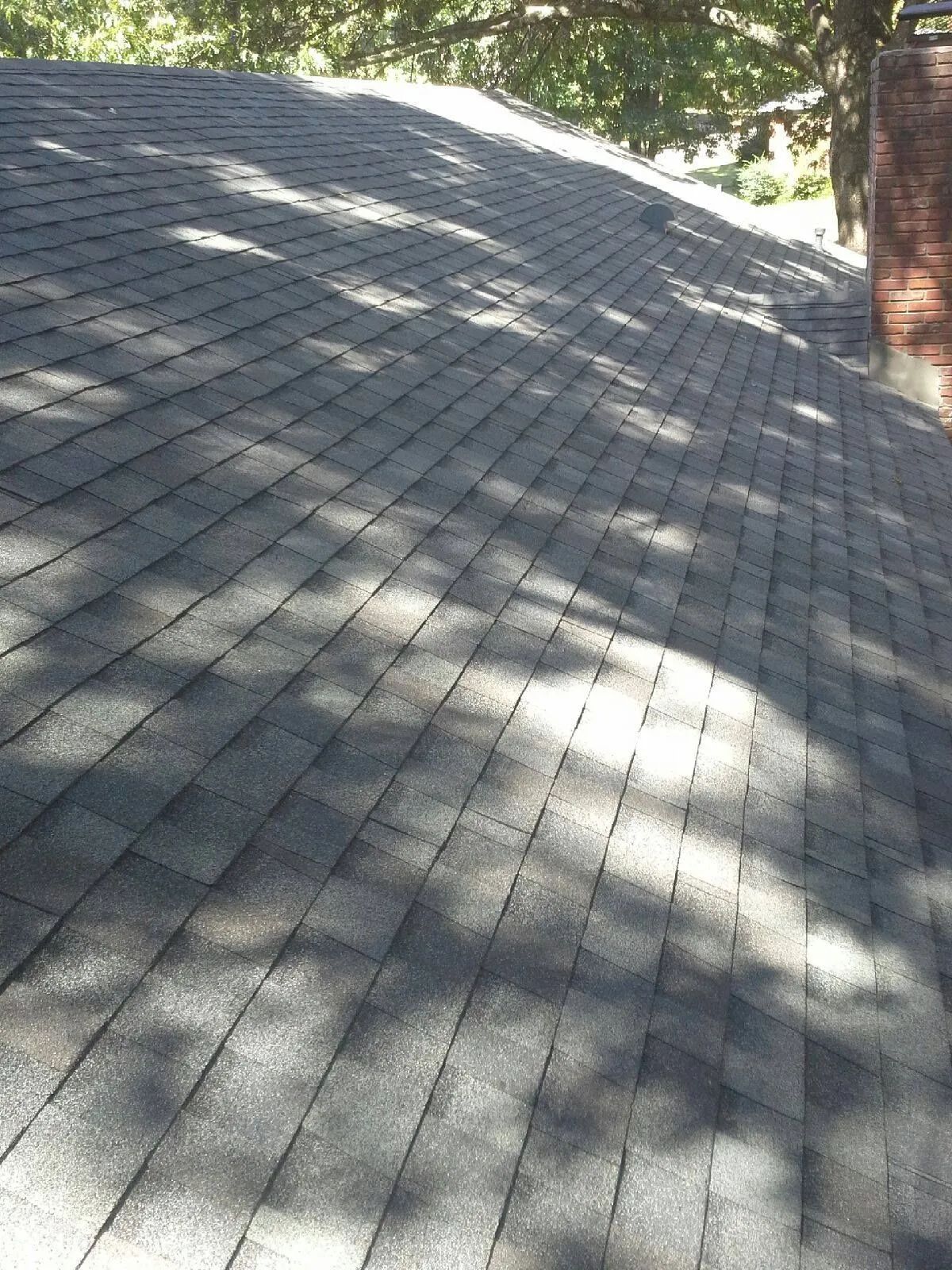
Most roof leaks do not begin across open shingles. They develop where roof sections meet, materials change, or penetrations interrupt the surface. Flashing details, roof transitions, and openings create the greatest vulnerability, making these areas the first places professionals inspect after storms.
Flashing is the usual suspect
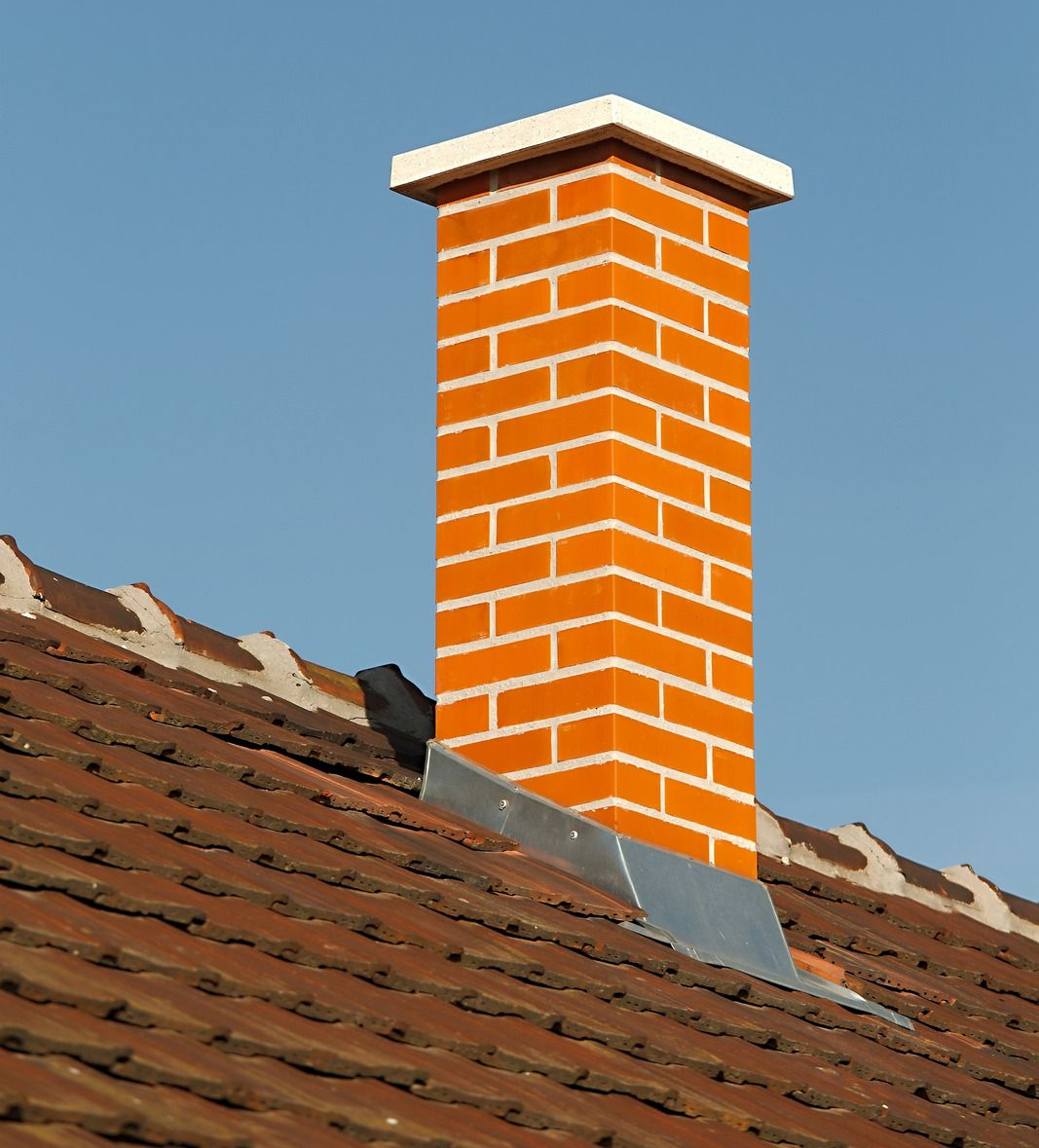
Flashing seals the joints where roofs connect to chimneys, skylights, walls, and vents. Years of temperature changes, weather exposure, and natural movement gradually weaken these seals, allowing rainwater to enter through tiny gaps long before damage becomes visible inside the home.
The most common roof leak locations
Roof valleys, chimney flashing, and plumbing vent boots are responsible for many residential roof leaks. These high-stress areas handle concentrated water flow or surround roof penetrations, making them especially vulnerable to wear, storm damage, and long-term weather exposure without proper maintenance.
The Places Roofs Usually Let Water In
Once you accept that leaks live at transitions, the list of usual suspects gets short and predictable. These are the spots a roofer checks first.
Roof valleys take the most water
Roof valleys collect runoff from two roof slopes, making them one of the highest-risk leak areas. Even a small defect, worn underlayment, or debris buildup can redirect large amounts of water beneath shingles, creating leaks that often appear as diagonal ceiling stains inside.
Chimney flashing almost always fails first
Chimneys rely on multiple flashing components to stay watertight. As brick, wood, and metal expand differently over time, flashing joints can separate and allow water inside. Temporary caulk repairs rarely solve the underlying issue, making proper flashing replacement the lasting solution.
Plumbing vent boots dry out and crack
Rubber vent boots usually wear out before surrounding shingles because constant sun exposure causes cracking and deterioration. Once damaged, they allow water around plumbing pipes, often creating ceiling stains near bathrooms or kitchens where the roof penetration is located.
Skylights leak at the seal and the flashing
Skylights depend on durable flashing and weatherproof seals around the frame. As sealants age or flashing shifts, water enters around the opening and travels down the light shaft, leaving stains or moisture damage around the skylight inside the home.
Wall junctions and dormers need proper flashing
Where roofs meet vertical walls, correctly installed step flashing and kick-out flashing direct water safely away. Missing or damaged flashing lets moisture seep behind siding, causing hidden wood rot and leaks that often appear only during wind-driven rainstorms.
Tip: Before anyone climbs up, note how the stain behaves. A stain that appears during or right after rain and dries out between storms points to the roof. A stain that stays wet or grows on dry days points to a plumbing pipe, not the roof, and the two look identical from below but have completely different fixes.
What the Stain Itself Is Telling You
The stain is not just cosmetic damage; it is a diagnostic clue. A light yellow ring with a crisp edge usually means the leak is recent, a matter of days. Dark brown with concentric rings means water has come and gone across many wet and dry cycles over weeks or months. A greenish or blackish tint is a warning that mold has already taken hold. That last one matters more than most people realize, because the Environmental Protection Agency notes that mold can begin growing on damp building materials within twenty-four to forty-eight hours of getting wet, and in the warm, humid Mid-South summer that window is even shorter.
The shape helps too. A round stain with rings usually sits below a single point source above it. A stretched, comet-shaped stain means water traveled along a beam before it dropped, and the leak is at the tail end of the comet, farther up the slope. Soft, sagging, or bulging drywall means the cavity above is holding water right now and needs attention before it comes down.
Warning: Do not seal a leak from inside the attic and call it fixed. A dab of roofing cement or caulk on the underside of the deck traps moisture between the patch and the roof surface, which speeds up rot and mold instead of stopping it. Interior sealing is at best a short emergency measure. A lasting repair has to be made from the outside where the roofing materials can be lifted, corrected, and properly reintegrated.
Why a Fast, Accurate Fix Matters
A ceiling stain is easy to ignore once the rain stops and it dries to a faint outline, but the damage behind it does not pause. Water that wet the attic during one storm keeps feeding insulation, decking, and framing every time it rains again. Wet insulation loses its ability to insulate, saturated sheathing softens and rots, and mold spreads through the cavity where you cannot see it. A small, cheap fix caught early turns into a much larger repair once the water has been working on the structure for months.
The other reason speed matters is that these leaks are intermittent by nature. A flashing gap that only leaks during a hard, wind-driven rain from one direction can sit quiet for weeks and lull you into thinking it healed itself. It did not. The next storm that hits from the wrong angle opens it right back up. Treating the stain as a one-time event instead of a symptom of a failed detail is exactly how a fixable problem becomes an expensive one.
Frequently Asked Questions
Why is the water stain not directly under the roof leak?
Because water travels along roof decking and rafters before dripping through the ceiling. It often moves several feet from the entry point, making attic inspection essential for tracing the leak back to its true source accurately.
Where do roofs leak most often after a storm?
Most roof leaks develop around flashing, roof valleys, vent boots, chimneys, skylights, and wall intersections instead of open shingles. These vulnerable transition points experience greater water exposure and movement, increasing the likelihood of leaks after severe storms.
Could my ceiling stain be condensation instead of a leak?
Yes. Roof leaks usually appear during or after rainfall, while condensation develops from poor attic ventilation during cooler conditions. A professional attic inspection identifies the true cause, ensuring the correct repair instead of treating the wrong problem.
How can my roof look fine from the ground but still leak?
Many roof leaks begin with small failures hidden from ground view, including damaged flashing or cracked vent boots. Water can travel behind walls or insulation, making close roof and attic inspections necessary for accurate diagnosis and repair.
How quickly can a small roof leak become a big problem?
A minor roof leak can escalate rapidly. Wet materials encourage mold growth within days, reduce insulation performance, and gradually weaken roof decking and framing. Prompt repairs prevent extensive structural damage and significantly reduce long-term restoration costs for homeowners.
Should I just paint over the stain once it dries?
No. Painting over a ceiling stain hides visible evidence without fixing the leak itself. The stain usually returns after another storm, so repair the source first, then apply stain-blocking primer before repainting for lasting results.
Reading a Stain the Way a Roofer Does
A ceiling stain after a storm is not a random blemish; it is the tail end of a water trail that started at a specific, findable weak point on your roof. Nine times out of ten that point is a transition or a penetration, a valley funneling too much water, a chimney flashing that dried and separated, a vent boot that cracked in the sun, or a skylight seal that gave out, and nine times out of ten it is nowhere near the stain itself. The fix that lasts is the one that traces the water uphill to its real source and corrects the detail, rather than the one that dabs sealant on the underside and paints the ceiling. Treat the stain as a message, read it early, and the roof tells you exactly where it is tired.
Schedule a leak-source diagnosis in Olive Branch, Mississippi — A spreading ceiling stain means water is already inside the roof assembly, and every storm that follows widens the damage while the true entry point sits hidden upslope. For over 38 years, Lindsey Roofing has traced roof leaks the right way for homeowners throughout
Olive Branch, Mississippi, following the water trail through the attic to the failed valley, flashing, vent boot, or skylight seal that started it, then repairing the source so it holds through the next Mid-South downpour. Book your leak-source diagnosis today before the next storm turns a small stain into a soaked ceiling and a rotting roof deck.