Professional Roof Ventilation Solutions: Improving Indoor Air Quality and Reducing Moisture
April 18, 2026
Roof ventilation is a critical yet often overlooked component of a healthy and energy-efficient building envelope. It regulates airflow between the attic and the exterior environment, directly influencing indoor air quality, structural durability, and long-term energy performance. When properly designed and installed, roof ventilation systems help maintain balanced temperatures, prevent moisture accumulation, and reduce the risk of mold growth that can compromise both comfort and safety inside a property.
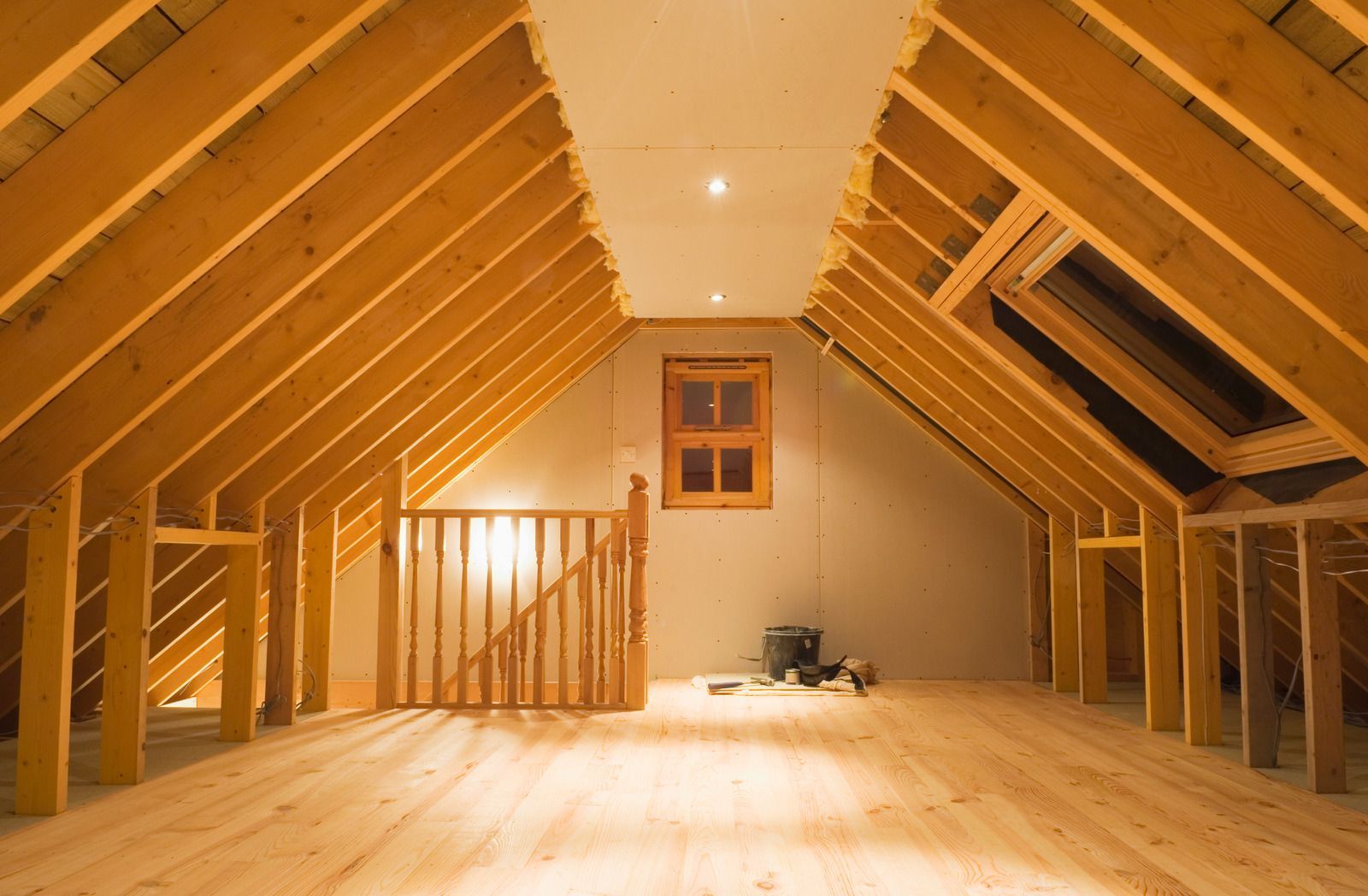
In modern residential construction, increasing insulation levels and tighter building envelopes have made ventilation even more essential. Without adequate airflow, trapped heat and humidity can accelerate roof deterioration, damage insulation effectiveness, and create unhealthy living conditions. This makes professional roof ventilation solutions a vital investment rather than an optional upgrade. Understanding how airflow dynamics interact with roofing materials allows property owners to make informed decisions that protect both structural integrity and indoor environmental quality over time.
Understanding Roof Ventilation Systems and Their Function
How Roof Ventilation Works
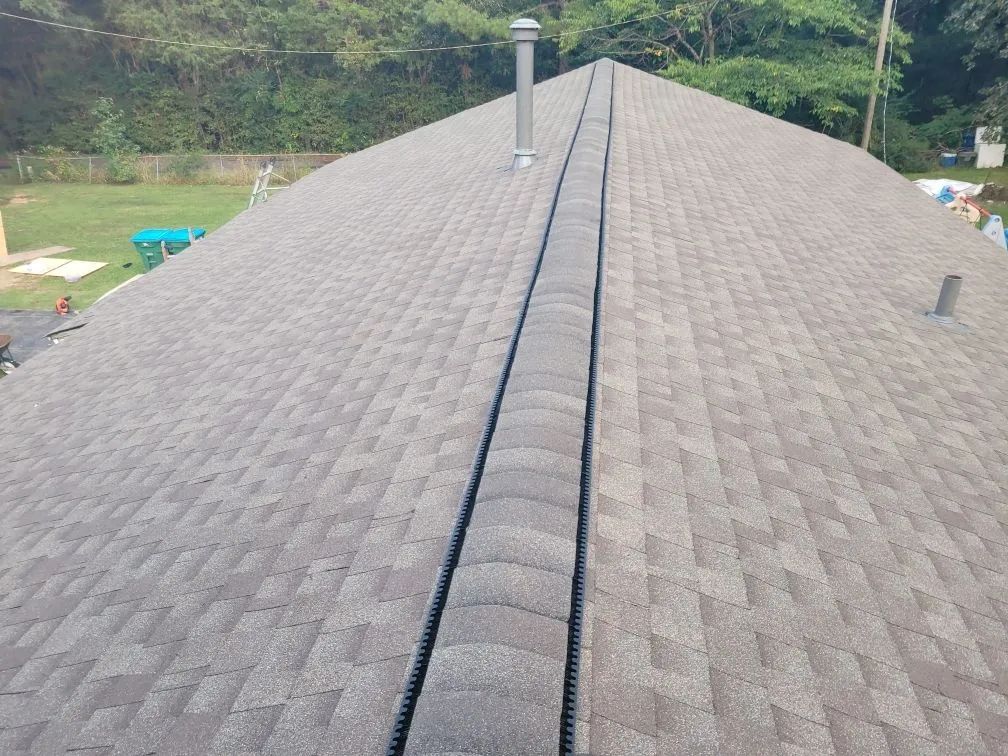
Roof ventilation operates on a continuous air exchange principle where fresh air enters through intake vents placed at soffits while warm, moisture-laden air exits through ridge exhaust vents. This steady airflow prevents stagnant air buildup inside attic spaces, stabilizes temperature variations, and maintains consistent environmental conditions throughout seasonal changes in residential roofing systems.
Types of Roof Ventilation Systems
Different roofing structures require specific ventilation solutions including ridge vents, soffit vents, gable vents, and powered attic fans. Ridge and soffit combinations offer the most balanced airflow efficiency through natural convection. Mechanical ventilation systems are used when passive airflow is insufficient, ensuring controlled air movement and improved moisture regulation across complex roof designs and structures.
Importance of Balanced Airflow
Balanced airflow ensures attic pressure remains stable by matching intake and exhaust ventilation capacity. When imbalance occurs, energy loss increases through conditioned air escape or trapped heat buildup. Proper system design eliminates these inefficiencies by maintaining equilibrium, protecting insulation performance, improving energy efficiency, and supporting long-term structural integrity of roofing systems under varying weather conditions.
Indoor Air Quality and Health Benefits of Proper Ventilation
Reduction of Moisture and Mold Growth
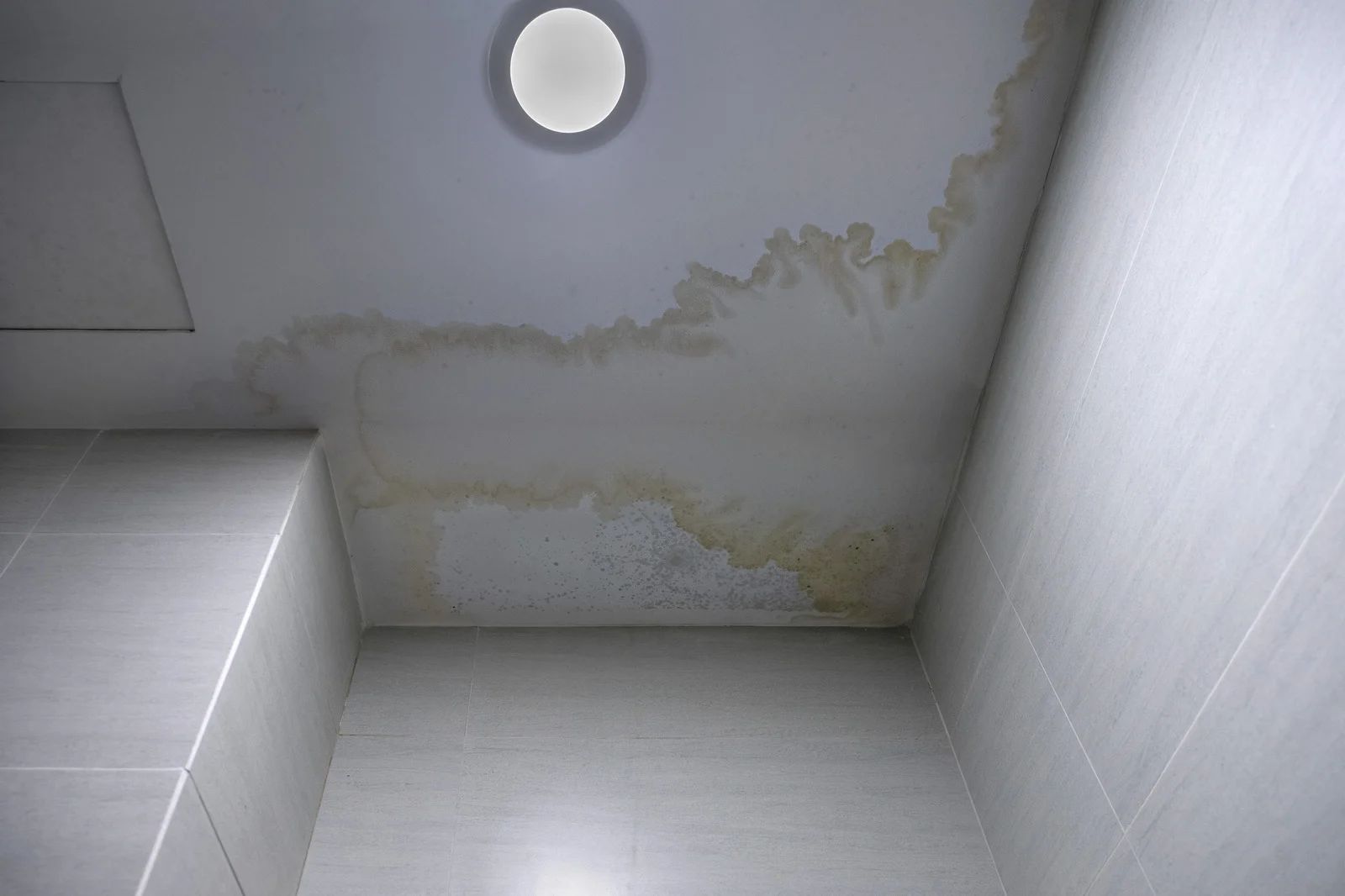
Excess moisture trapped in attic spaces leads to mold and mildew formation, significantly affecting indoor air quality. Without proper ventilation, humidity condenses on cooler surfaces and gradually spreads contaminants indoors. Effective roof ventilation controls moisture levels, preventing microbial growth and maintaining healthier breathing environments inside residential living spaces throughout changing seasonal conditions and weather patterns.
Improved Air Circulation and Freshness
A well-designed roof ventilation system promotes continuous airflow that prevents stagnant air accumulation within attic spaces. This circulation indirectly improves indoor freshness by reducing odor retention and airborne pollutants. Consistent air exchange supports cleaner interior environments, ensuring occupants experience better air quality and enhanced comfort levels throughout the home regardless of external weather fluctuations or conditions.
Temperature Regulation and Comfort Stability
Proper ventilation reduces extreme temperature variations between attic spaces and living areas by maintaining balanced airflow. During hot seasons, it prevents heat buildup from radiating indoors, while in colder months, it reduces condensation risks. This consistent regulation enhances indoor comfort, stabilizes energy use, and supports efficient HVAC system performance across varying seasonal temperature conditions effectively.
Long-Term Health Protection
Poorly ventilated roof systems can contribute to respiratory issues due to prolonged exposure to damp and contaminated air. Mold spores and airborne allergens often originate from moisture buildup in attics. Proper ventilation minimizes these risks by controlling humidity levels, improving air quality, and creating healthier living environments that support long-term respiratory wellness and household safety.
Moisture Control and Structural Protection in Roofing Systems
Preventing Condensation Damage
Condensation forms when warm indoor air meets cooler attic surfaces, creating moisture accumulation on structural components. Over time, this leads to wood rot, insulation damage, and material weakening. Proper ventilation ensures continuous airflow that removes humid air before condensation develops, protecting roof structures and maintaining long-term durability of residential roofing systems effectively and consistently.
Protecting Insulation Efficiency
Moisture exposure significantly reduces insulation performance by compressing fibers and lowering thermal resistance. Wet insulation allows heat transfer, increasing energy consumption and reducing efficiency. Effective roof ventilation maintains dry insulation conditions by regulating humidity levels, preserving thermal barriers, and ensuring consistent indoor temperature control while enhancing overall energy efficiency throughout residential structures and roofing systems.
Extending Roof Material Lifespan
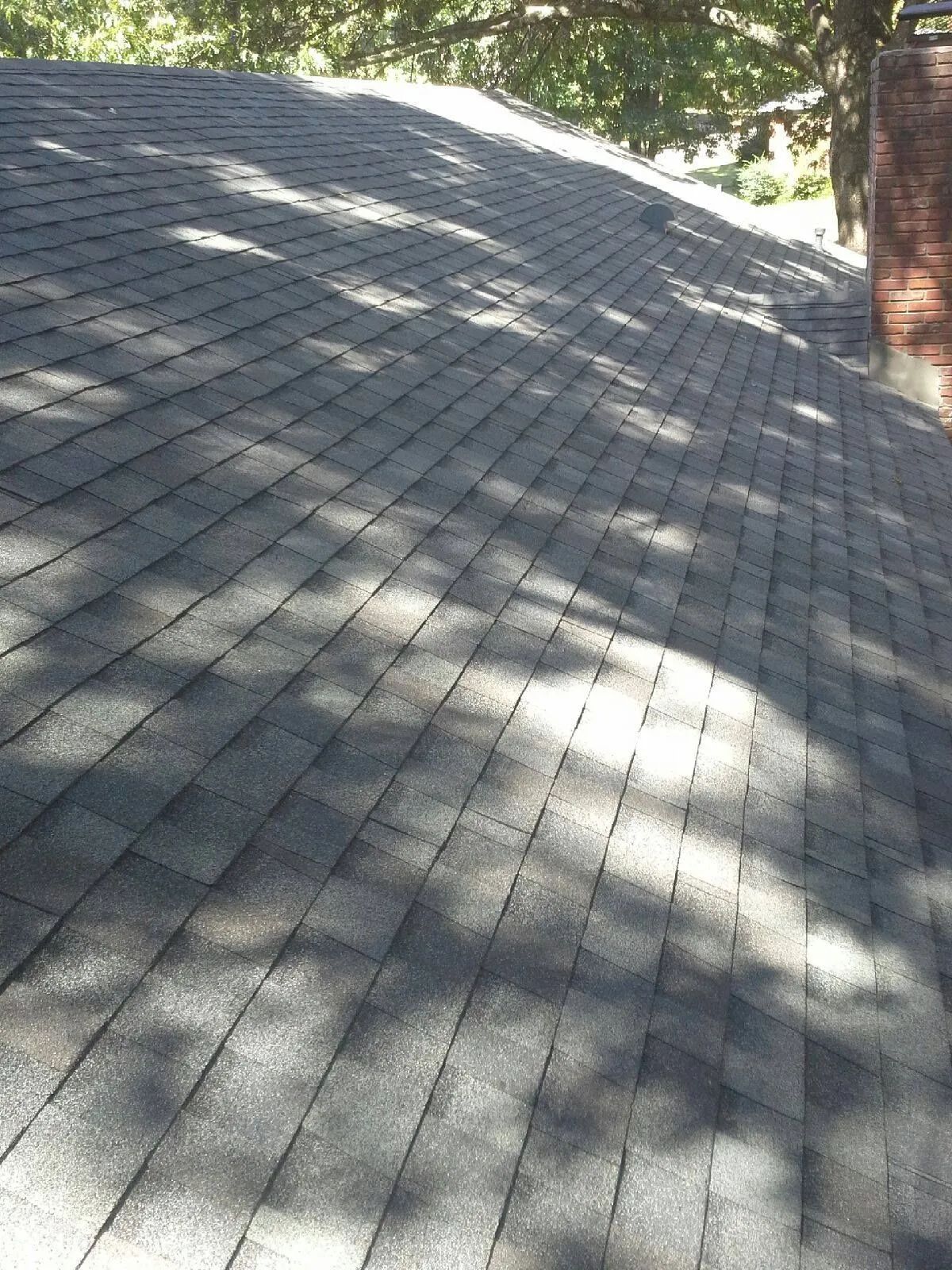
Roofing materials such as shingles, underlayment, and decking degrade faster when exposed to trapped heat and moisture. Continuous humidity accelerates cracking, warping, and material breakdown. Balanced ventilation reduces thermal stress and moisture retention, significantly extending roof lifespan while preserving structural integrity and maintaining long-term durability across diverse environmental and seasonal conditions effectively over time.
Ice Dam and Heat Buildup Prevention
Poor ventilation allows uneven roof temperatures, leading to ice dam formation in cold climates and excessive heat buildup in warm seasons. Melted snow refreezes at roof edges, causing water infiltration. Proper ventilation maintains uniform temperature distribution across roof surfaces, preventing damage, reducing repair risks, and ensuring consistent performance of roofing systems throughout seasonal transitions.
Design Considerations and Best Practices for Effective Ventilation
Proper Vent Placement Strategy
Effective ventilation depends on strategic vent placement, where intake vents are installed at soffits and exhaust vents near roof ridges. This positioning supports natural airflow through thermal convection. Proper alignment ensures efficient air exchange, prevents stagnation, and maintains balanced attic conditions that improve energy efficiency and protect roofing structures from environmental stress and long-term damage.
Calculating Ventilation Requirements
Accurate ventilation sizing is essential for maintaining proper airflow within attic spaces. Building codes typically recommend ventilation ratios based on attic square footage to ensure balanced air exchange. Proper calculation prevents over-ventilation or under-ventilation, supporting energy efficiency, reducing moisture risks, and maintaining consistent performance across residential roofing systems under varying environmental conditions effectively and reliably.
Avoiding Common Installation Errors
Improper installation practices can significantly reduce ventilation efficiency and lead to system failure. Common issues include blocked soffit vents, inadequate exhaust capacity, and mismatched vent types. Professional installation ensures correct airflow alignment, adherence to standards, and optimal system integration, preventing costly repairs while maintaining long-term performance and reliability of residential roofing ventilation systems effectively.
Integration with Energy Efficiency Goals
Modern roofing systems must balance ventilation performance with energy efficiency requirements. Advanced solutions incorporate airflow channels, insulation baffles, and reflective barriers to minimize energy loss while maintaining ventilation. This integration improves thermal regulation, reduces utility costs, enhances indoor comfort, and supports sustainable building performance across diverse residential roofing environments and long-term usage conditions.
Modern Innovations in Roof Ventilation Technology
Smart Ventilation Systems
Smart ventilation systems use sensors to monitor temperature and humidity levels within attic spaces, adjusting airflow automatically for optimal performance. These systems enhance energy efficiency by responding in real time to environmental changes. Automation reduces manual maintenance needs while ensuring consistent ventilation balance, improving indoor comfort and protecting roofing structures from moisture-related damage effectively.
Solar-Powered Ventilation Units
Solar-powered ventilation units offer an energy-efficient solution for improving attic airflow without relying on household electricity. These systems operate using renewable solar energy, making them environmentally sustainable and cost-effective. They enhance exhaust airflow during peak heat conditions, reduce energy consumption, and support long-term ventilation performance while maintaining consistent roof temperature regulation throughout the year.
High-Performance Vent Materials
Modern ventilation materials are engineered to withstand harsh weather conditions, UV exposure, and corrosion over time. These durable materials ensure long-lasting airflow performance and reduce maintenance requirements. Enhanced vent designs improve efficiency, prevent blockages, and maintain consistent ventilation effectiveness, contributing to stronger roofing systems and improved structural resilience across varying environmental conditions and seasonal changes.
Integration with Roofing Insulation Systems
Modern roofing systems increasingly integrate ventilation pathways within insulation layers to improve overall thermal performance. This integration allows controlled airflow while maintaining insulation efficiency and moisture regulation. The combined system enhances energy savings, stabilizes indoor temperatures, and improves structural durability, creating a more efficient and balanced roofing environment for long-term residential building performance and sustainability.
Reliable Moisture Control Approaches Extending Roof Lifespan
Effective roof ventilation plays a central role in maintaining healthy indoor environments, controlling moisture levels, and protecting structural integrity. From preventing mold growth to improving energy efficiency, properly designed systems deliver long-term benefits that extend well beyond basic airflow management. When ventilation is optimized, roofing systems perform more efficiently, last longer, and contribute to safer and more comfortable living conditions.
A strategic approach to ventilation ensures that air exchange, temperature regulation, and moisture control work in harmony. This balance is essential for sustaining both building durability and indoor air quality over time. Proper design, installation, and maintenance remain the foundation of an effective roofing system that responds efficiently to seasonal and environmental changes.
Lindsey Roofing, specializing in Residential Roofing & Repair Services in Olive Branch, Mississippi, brings over 38+ years of industry experience in delivering dependable roofing solutions tailored to modern performance standards. Deep understanding of ventilation science and roofing systems allows us to design solutions that effectively address moisture control, airflow balance, and long-term structural protection. Every project is approached with a commitment to precision, durability, and compliance with best practices in roofing construction. Our focus remains on ensuring homes benefit from healthier indoor environments and improved energy efficiency through properly engineered ventilation systems. With decades of hands-on expertise, we continue to provide reliable roofing solutions that strengthen property value while maintaining comfort, safety, and long-term performance for homeowners seeking trusted roofing excellence.