Common Issues with Chimneys and Flashing—and How Professional Repairs Solve Them
May 12, 2026
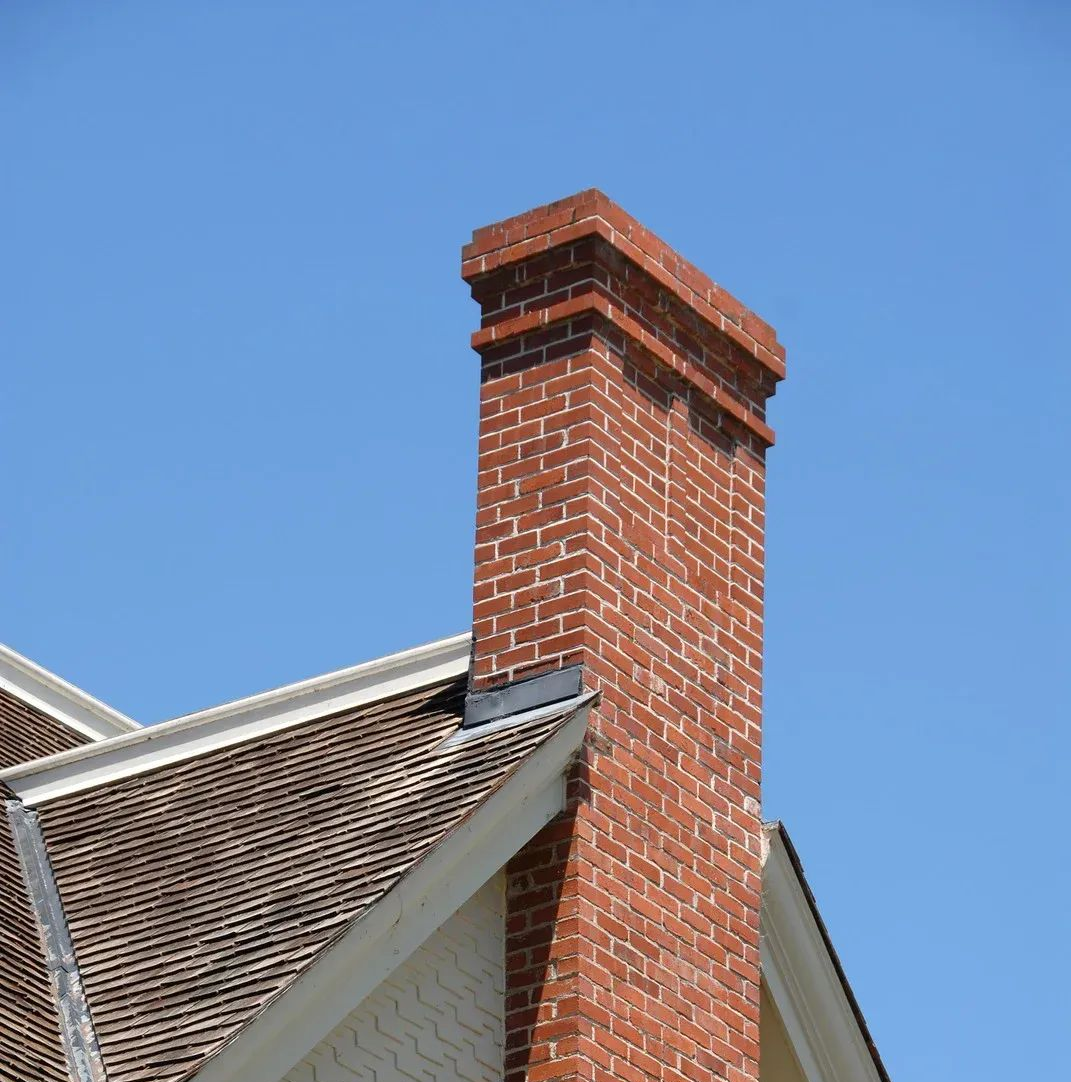
Chimneys and flashing systems play a critical role in protecting residential roofing structures from water intrusion, heat loss, and long-term structural deterioration. When functioning correctly, these components work together to direct water away from vulnerable roof joints while maintaining proper ventilation for fireplaces and heating systems. However, even minor defects in chimney masonry or flashing installation can quickly escalate into costly roofing issues if not addressed in time. In modern residential roofing, chimney-related leaks remain one of the most common causes of interior water damage. Continuous exposure to wind-driven rain and temperature shifts further increases the stress on these areas, making them highly susceptible to gradual wear. Over time, neglected issues can spread beyond the chimney zone and impact surrounding roofing layers significantly.
Understanding chimney and flashing problems is essential for maintaining roof durability and indoor comfort. Seasonal weather changes, heavy rainfall, and freeze-thaw cycles place continuous stress on roofing materials, often leading to cracks, corrosion, or separation at critical junctions. These issues are not always visible from the ground, which makes early detection difficult for homeowners. A professional roofing evaluation becomes essential to identify hidden risks before they develop into major structural failures. With increasing demand for energy-efficient and weather-resistant homes, proper chimney and flashing maintenance has become a key focus in roofing preservation strategies. Regular inspections also help ensure that small vulnerabilities are corrected before they evolve into expensive repairs. Proactive maintenance ultimately extends the overall lifespan of the roofing system while improving long-term property protection and efficiency.
Structural Weaknesses in Chimneys and Flashing Systems
Masonry Deterioration Over Time
Chimneys are constantly exposed to extreme temperature variations, moisture exposure, and continuous wind pressure throughout the year. Over time, brickwork and mortar joints gradually weaken, forming visible cracks and surface erosion. This deterioration allows water to penetrate deeper into the structure, accelerating internal damage and reducing overall chimney stability. Poor maintenance further compromises roof junction integrity, increasing the risk of leaks and structural issues that can spread into adjacent roofing systems over time, especially under continuous exposure to harsh environmental conditions year-round.
Improper Flashing Integration
Flashing acts as a critical protective barrier where the chimney meets the roof surface. When installed incorrectly or inadequately sealed, small gaps form between roofing materials and chimney edges. These openings allow rainwater to penetrate during storms, gradually spreading into attic spaces and ceiling structures. Misaligned flashing is one of the primary causes of persistent roof leaks, often resulting in hidden moisture damage that worsens over time if left unaddressed without proper maintenance control, leading to progressively worsening hidden water damage within structures.
Water Intrusion and Leak Development
Rainwater Penetration at Roof Junctions
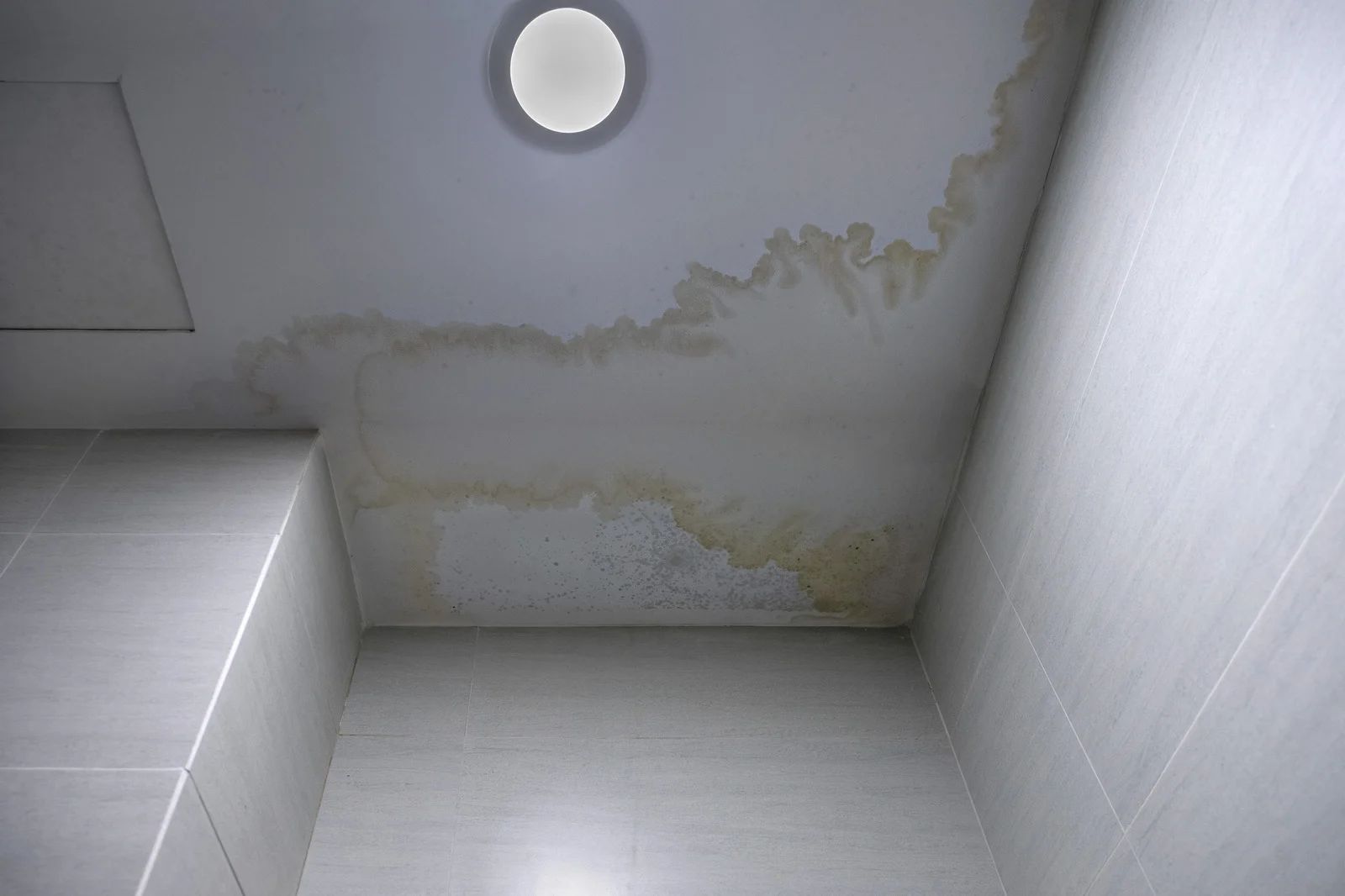
Chimney areas are highly vulnerable to water intrusion due to their vertical structure intersecting sloped roofing surfaces. Rainwater naturally accumulates around these junctions, particularly when drainage pathways are blocked or poorly designed. Even minor separations in flashing joints can permit continuous water seepage over time. This persistent moisture entry gradually weakens surrounding roofing materials, leading to hidden leaks that may remain undetected until significant interior damage becomes visible inside structural roof systems, requiring immediate attention to prevent costly long-term interior deterioration.
Freeze-Thaw Expansion Damage
In colder climates, moisture trapped within chimney cracks undergoes repeated freezing and thawing cycles. As water freezes, it expands, exerting pressure on surrounding masonry and widening existing gaps. Over time, these cycles significantly weaken both chimney structures and roofing seals. The continuous expansion and contraction process accelerates deterioration, resulting in persistent leaks that are often difficult to locate without professional inspection and specialized moisture detection techniques for accurate diagnosis under advanced roofing evaluation methods, especially when seasonal temperature fluctuations intensify structural stress significantly.
Flashing Failures and Material Breakdown
Step Flashing and Counter Flashing Issues
Step flashing and counter flashing systems work together to create a layered waterproof barrier at chimney-roof intersections. When either component becomes loose, corroded, or improperly aligned, the entire protective system is compromised. These failures allow water to bypass roofing defenses and infiltrate underlying structures. Over time even minor displacement can result in significant leakage problems, gradually damaging insulation, decking materials, and interior ceiling surfaces beneath the roof system across vulnerable joints, often resulting in progressive interior damage if left unresolved.
Sealant Degradation and Rust Formation
Over time, sealants used in chimney flashing systems degrade due to prolonged UV exposure, temperature fluctuations, and constant weather stress. As sealants weaken, gaps begin to form that allow moisture intrusion. Metal flashing components are also prone to corrosion, especially when exposed to trapped moisture for extended periods. Rust formation further compromises structural integrity, reducing the effectiveness of waterproofing systems and increasing the likelihood of recurring roof leaks in exposed roof systems, particularly in areas with high humidity and persistent rainfall exposure.
Inspection and Diagnosis of Chimney Problems
Visual Roof Assessment Techniques
Professional roofing evaluations begin with detailed visual inspections of chimney surfaces and surrounding flashing areas. Inspectors look for signs such as discoloration, cracked mortar, warped flashing, and uneven roof lines that indicate underlying structural issues. Careful slope analysis also helps identify irregular water flow patterns that may contribute to leakage. These visual indicators provide early warnings of damage, enabling timely intervention before problems escalate into major structural failures or costly repairs across roof systems, helping ensure accurate identification of underlying structural vulnerabilities early.
Moisture Detection and Internal Evaluation
Advanced diagnostic tools such as moisture meters and thermal imaging systems are used to identify hidden water intrusion within roof layers and chimney structures. These technologies reveal trapped moisture that is not visible during standard inspections. Internal evaluation helps pinpoint the exact source of leaks, allowing targeted repairs. Early detection of moisture buildup prevents extensive damage to insulation, wooden framing, and interior ceiling components within the building structure through professional inspection systems, significantly improving repair accuracy and long-term building safety outcomes.
Professional Repair Solutions and Preventive Maintenance
Chimney Rebuilding and Tuckpointing
When masonry deterioration becomes severe, chimney rebuilding or tuckpointing is required to restore structural integrity and prevent further water intrusion. Damaged mortar joints are carefully removed and replaced with new material to strengthen the chimney framework. This process not only reinforces stability but also extends the overall lifespan of the structure. Proper restoration ensures improved resistance against weather conditions and significantly reduces the risk of future leakage problems with long-term durability benefits, ensuring stronger performance against weather-related deterioration over time consistently.
Flashing Replacement and Waterproofing Systems
Professional repair of chimney flashing involves complete removal of damaged or compromised metal components followed by installation of precision-fitted replacements. High-quality materials are selected to ensure durability and resistance against harsh weather conditions. Additional waterproofing layers and protective membranes are often applied to enhance long-term performance. These systems significantly reduce water penetration risks and improve the overall resilience of roof and chimney junctions under extreme environmental conditions, ensuring enhanced structural protection, always providing reliable defense against leaks and environmental damage long-term.
Preventive Maintenance Strategies
Routine chimney inspections and seasonal maintenance play a crucial role in minimizing the risk of unexpected roof damage. Regular cleaning of debris, resealing of joints, and alignment checks for flashing systems help maintain optimal performance. Preventive care allows early detection of minor issues before they develop into major structural failures. Consistent maintenance ensures long-term durability, improved waterproofing efficiency, and reduced repair costs for homeowners over the lifespan of the roof system across all conditions, supporting sustained roof performance and reduced maintenance expenses overall.
Reliable Professional Roofing Chimney Repair Solutions Focused
Chimney and flashing issues remain one of the most overlooked yet damaging roofing problems in residential structures. Water intrusion, material deterioration, and installation flaws can compromise both roof integrity and indoor comfort if not addressed promptly. Understanding the causes and identifying early warning signs plays a crucial role in preventing long-term structural damage. Professional evaluation and repair ensure that both chimney systems and flashing components function as a unified protective barrier against environmental stress. These issues often develop gradually, making regular inspections essential for early detection and cost-effective maintenance. Left unchecked, even small vulnerabilities can spread across roofing layers and impact interior spaces significantly.
Reliable roofing performance depends on precision, expertise, and timely intervention. Without proper repair methods, even minor defects can escalate into major restoration needs. Maintaining chimney and flashing systems through expert care helps preserve property value and extend roof lifespan. Consistent upkeep also reduces the likelihood of recurring leaks and structural weakening over time. Investing in professional maintenance ensures long-term efficiency and minimizes unexpected repair expenses for homeowners.
Lindsey Roofing
brings over 38+ years of hands-on experience in Residential Roofing & Repair Services, delivering dependable solutions tailored to complex roofing challenges. Based in Olive Branch, Mississippi, we specialize in chimney restoration, flashing repair, and comprehensive roof protection systems designed for long-term durability. Our commitment to precision workmanship and trusted roofing practices ensures every structure receives reliable, lasting protection against weather and structural wear. We focus on delivering durable results that enhance roof performance and safeguard homes against seasonal damage. Every project is handled with attention to detail to ensure lasting customer satisfaction and structural security.