Skylight Care 101: Why Professional Installation & Repair Services Make All the Difference

June 16, 2026

Skylights do more than let sunlight into a room. They change how a space feels, reduce dependence on artificial lighting, and add architectural value to a home. But like any roofing component, skylights require the right hands to install and maintain them. A poorly fitted skylight does not just leak — it can compromise insulation, damage interior finishes, and quietly raise your energy bills over months before anyone notices the source.


Homeowners often underestimate what goes into skylight work. It sits at the intersection of roofing, waterproofing, glazing, and structural framing. That combination demands skill sets that general contractors rarely bring together. When installation is handled without the proper expertise, repairs follow quickly — and those repairs tend to be far more involved than the original job would have been. Understanding what professional skylight services involve, and why they matter, helps homeowners make informed decisions that protect their investment and their home.

What Makes Skylight Installation Technically Demanding

The Structural Side of the Job

Installing a skylight is not simply cutting a hole in the roof and fitting glass into the opening. Every skylight installation begins with a structural assessment. Rafters may need to be cut and redirected using headers and trimmers, which redistributes the load across adjacent framing members. If this work is done imprecisely, the roof can rack over time or develop stress points that affect the entire section above.

Flashing and Waterproofing Complexity

Flashing is where most skylight failures originate. Professional installers use step flashing, counter flashing, and in many cases manufacturer-specific integrated flashing kits designed for particular skylight models. Each layer must be installed in a specific sequence relative to the roofing material below and above it. Asphalt shingles, metal roofing, and tile all require different flashing approaches. Skipping steps or using the wrong materials creates entry points for water that may not appear immediately but will surface within one or two seasons.

Thermal and Energy Performance

A skylight's energy rating depends on the glazing type, the frame material, and how well the unit is sealed during installation. Low-E coatings, argon gas fills, and insulated frames only perform as advertised when the surrounding installation preserves their integrity. Air gaps, misaligned frames, or inadequate insulation around the rough opening can eliminate the performance advantage that higher-rated units provide.

Common Skylight Problems and Their Root Causes

Leaks and Water Intrusion

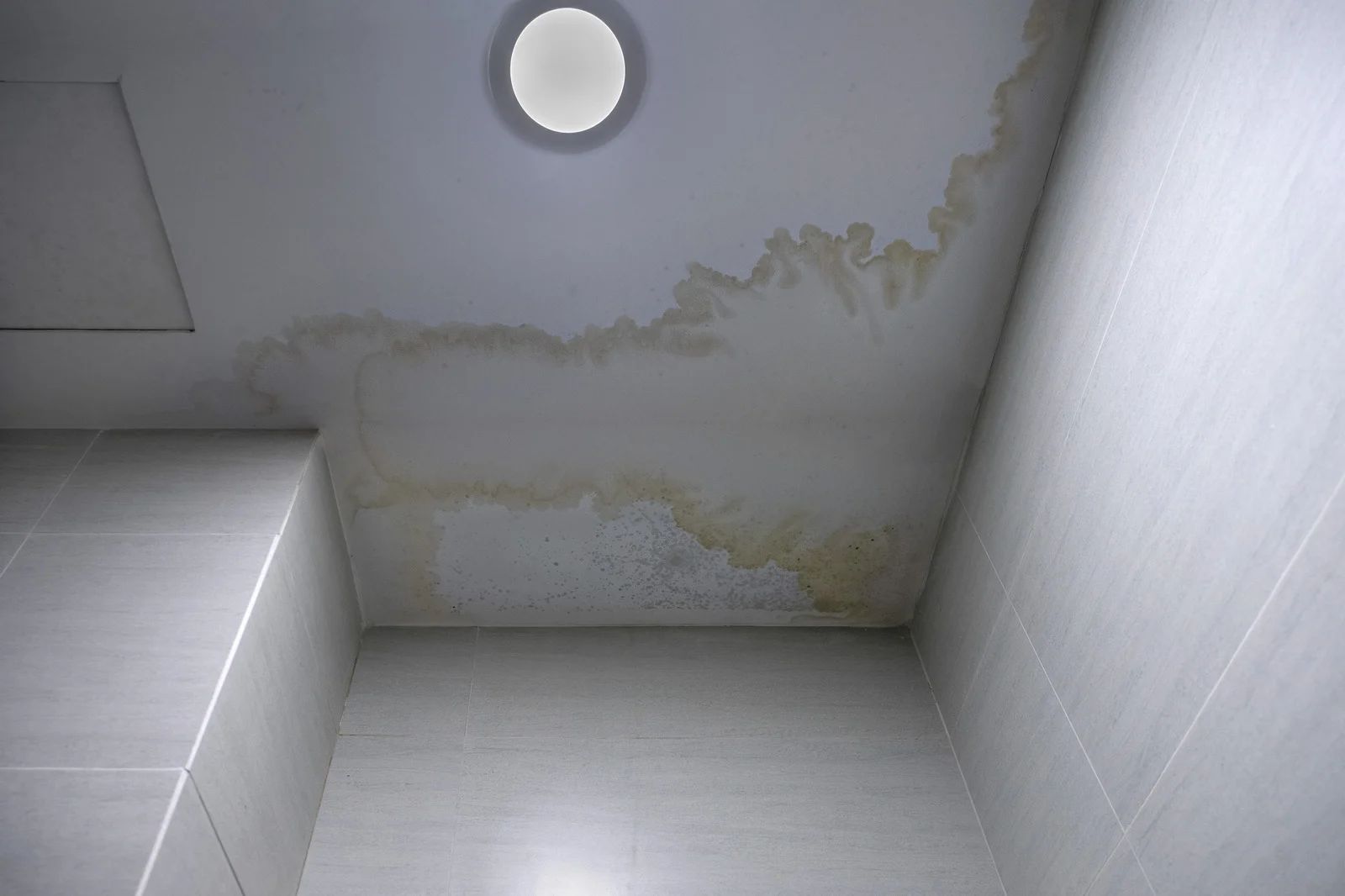
Water intrusion around skylights is the most reported problem in residential roofing. In most cases, the leak does not come from the skylight unit itself but from the flashing system surrounding it. Sealant-only installations — where caulk replaces proper flashing — are a frequent cause. Caulk degrades, shrinks, and separates over time, especially under thermal cycling and UV exposure. Once it fails, water finds the path of least resistance directly into the roof deck and ceiling below.

Condensation on Interior Surfaces

Condensation that forms on the inside of a skylight is a different problem from a leak, though homeowners often confuse the two. Interior condensation indicates a thermal break failure or inadequate ventilation around the unit. It is particularly common in bathrooms and kitchens where humidity levels run high. The fix may involve upgrading to a double-pane or triple-pane unit, improving room ventilation, or addressing air sealing around the skylight frame.

Cracked or Damaged Glazing

Older skylights often used acrylic or polycarbonate glazing, both of which yellow, crack, and become brittle over time. Modern installations favor tempered or laminated glass, which holds up significantly better under impact and UV exposure. A cracked skylight panel should be addressed promptly. Beyond the obvious leak risk, cracked glazing can fail unpredictably under load, creating a safety concern during heavy rain or snow.

The Repair Process — What Professionals Actually Do

Diagnosis Before Action

A professional skylight repair begins with a thorough inspection rather than an immediate fix. This includes checking the flashing sequence, examining the roof deck for rot or saturation, testing the glazing seals, and assessing the curb or frame for movement or settling. Jumping to a quick sealant patch without understanding the full picture typically results in the same problem returning within a year.

Glazing and Frame Repairs

When glazing needs replacement, the unit must often be partially or fully removed to do the job correctly. Frame repairs may involve reseating the skylight on its curb, shimming for level, and reapplying sealant to the interior trim. In cases where the frame has deteriorated due to prolonged moisture exposure, full unit replacement is the more practical path.

Flashing Replacement vs. Resealing

There is a meaningful difference between reflashing a skylight and resealing it. Resealing applies new sealant over existing materials and is appropriate for minor surface gaps where the underlying flashing is still sound. Reflashing removes and replaces the entire flashing system and is necessary when the metal has corroded, when the installation sequence was incorrect from the start, or when water has already penetrated the roof deck. Professionals make this distinction based on inspection findings, not assumptions.

Choosing the Right Skylight for Your Home

Fixed vs. Venting Skylights

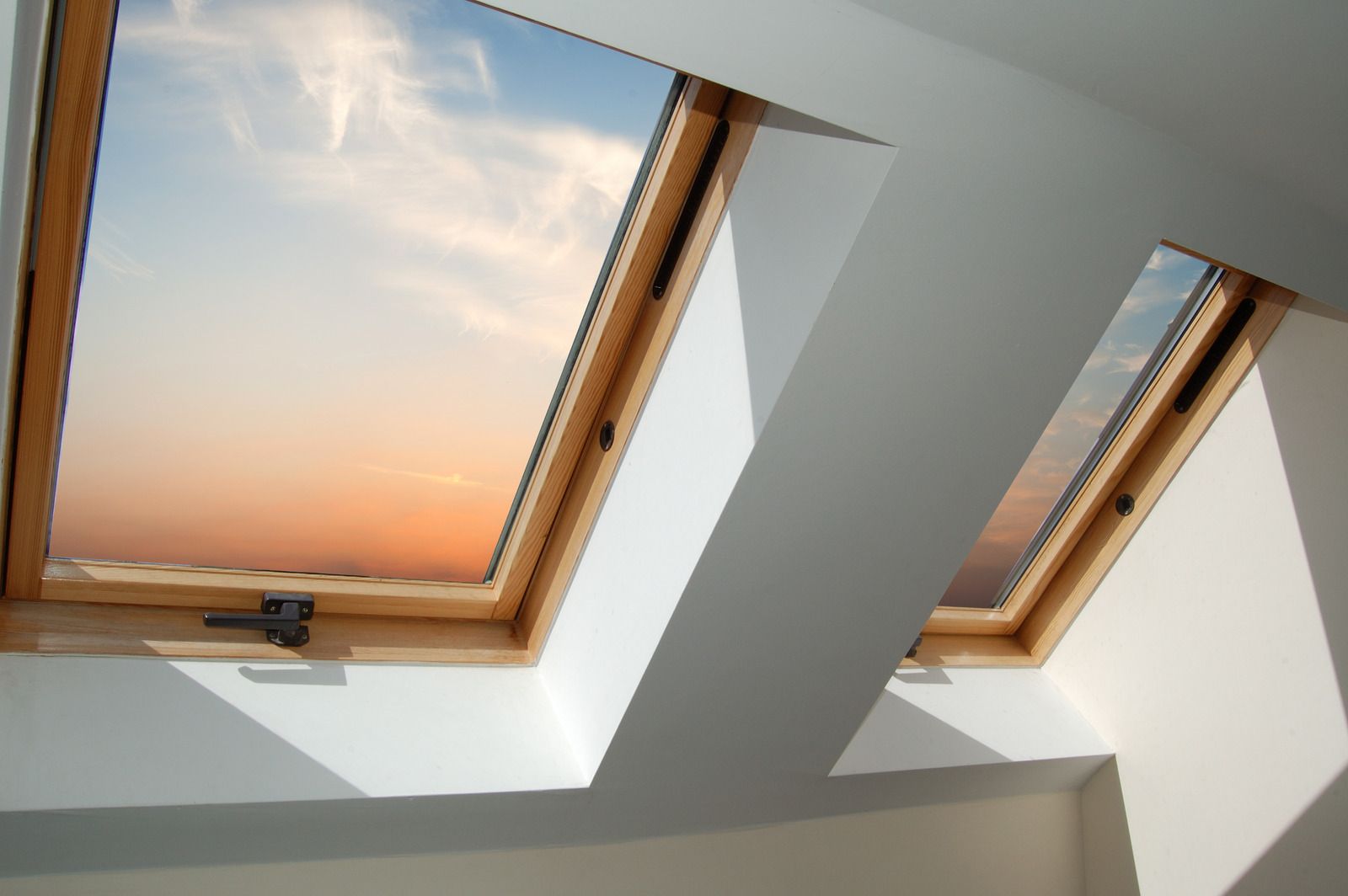
Fixed skylights provide light without ventilation. Venting skylights, either manually operated or motorized, open to allow air exchange and are well suited for spaces where moisture control matters. The right choice depends on the room's function, the roof pitch, and how the homeowner intends to use the space below.

Sizing and Placement Considerations

The general guideline for skylight sizing is that the unit should not exceed 5 percent of the floor area in rooms with several windows, and no more than 15 percent in rooms with few or no windows. Placement affects both light quality and heat gain. South-facing skylights deliver more direct sun throughout the day. North-facing units provide diffused, even light without strong solar gain — a practical choice for studios and workspaces.

Sizing and Placement Considerations

Glazing Type Key Benefit Last NaBest Applicationme
Tempered Glass Impact resistance Most residential applications
Laminated Glass Safety on breakage Overhead and sloped installations
Low-E Coated Glass Reduced heat gain Hot climates and south-facing units
Double Pane with Argon Improved insulation Cold climates and energy-focused builds

Maintenance Practices That Extend Skylight Life

Annual Inspection Checklist

Skylights benefit from at least one professional inspection per year, ideally before the rainy season. Key inspection points include the condition of flashing and sealant, the integrity of the glazing and frame seals, any signs of staining or soft material on the surrounding roof deck, and the operation of venting mechanisms on operable units.

Keeping the Curb and Surrounding Roof Clean

Debris accumulation around the skylight curb traps moisture and accelerates material degradation. Leaves, pine needles, and granules from nearby shingles should be cleared regularly. Standing water around the skylight base is a warning sign that the drainage path may be compromised.

Interior Care

Inside the home, inspect the ceiling around the skylight after heavy rain. Water stains or soft drywall indicate active moisture intrusion that should be addressed before structural or mold-related damage develops. Keeping humidity controlled in high-moisture rooms also reduces the likelihood of condensation-related issues at the glazing surface.

Dedicated Professionals Who Treat Every Skylight Project Seriously

Skylights are a functional and aesthetic asset, but only when they are installed and maintained with precision. From the structural modifications required during installation to the layered flashing systems that keep water out, every phase of skylight work carries real consequences when it goes wrong. Investing in professional services at the outset prevents far more serious problems down the line. Whether a skylight is newly planned or already showing signs of wear, the right professional guidance makes a measurable difference in performance and longevity.


Lindsey Roofing has served homeowners in Olive Branch, Mississippi for over 38 years, building a reputation grounded in technical precision and honest work. We specialize in residential roofing and repair services, including skylight installation, flashing repair, and full roof assessments. Our experience across decades of Mississippi weather gives us a practical understanding of what roofing systems in this region actually face. We approach every skylight project the same way we approach every roof: with thorough inspection, sound materials, and workmanship designed to hold up over time. Homeowners in the Olive Branch area trust us not because of what we promise, but because of what we deliver on every job. When skylights need installation, repair, or a professional second opinion, we bring the depth of knowledge that only comes from decades of hands-on roofing work.

FAQs

  • How do I know if my skylight leak is coming from the flashing or the unit itself?

    If water appears along the edges of the skylight frame, flashing is typically the source. Leaks through the center of the glazing point to a failed seal within the unit itself and usually require glazing replacement.

  • How long does a professionally installed skylight typically last?

    A quality skylight installed with proper flashing can last 20 to 30 years. The flashing and seals may need attention at the 10 to 15 year mark depending on the roofing material and climate conditions.

  • Can a skylight be installed on any roof pitch?

    Most skylights are rated for installation on roof pitches ranging from 15 to 85 degrees. Very low-slope roofs require specialized curb-mounted units with additional waterproofing provisions to prevent water pooling.

  • What is the difference between a curb-mounted and deck-mounted skylight?

    Curb-mounted skylights sit on a raised frame built into the roof opening, making replacement easier. Deck-mounted units sit flush against the roof deck and work well on steeper pitches where a raised curb is unnecessary.

  • Is skylight condensation a sign of a failing unit?

    Not always. Condensation on the interior glass surface is often a humidity problem in the room rather than a unit defect. Improving ventilation or upgrading to a better-insulated glazing unit usually resolves it without full replacement.

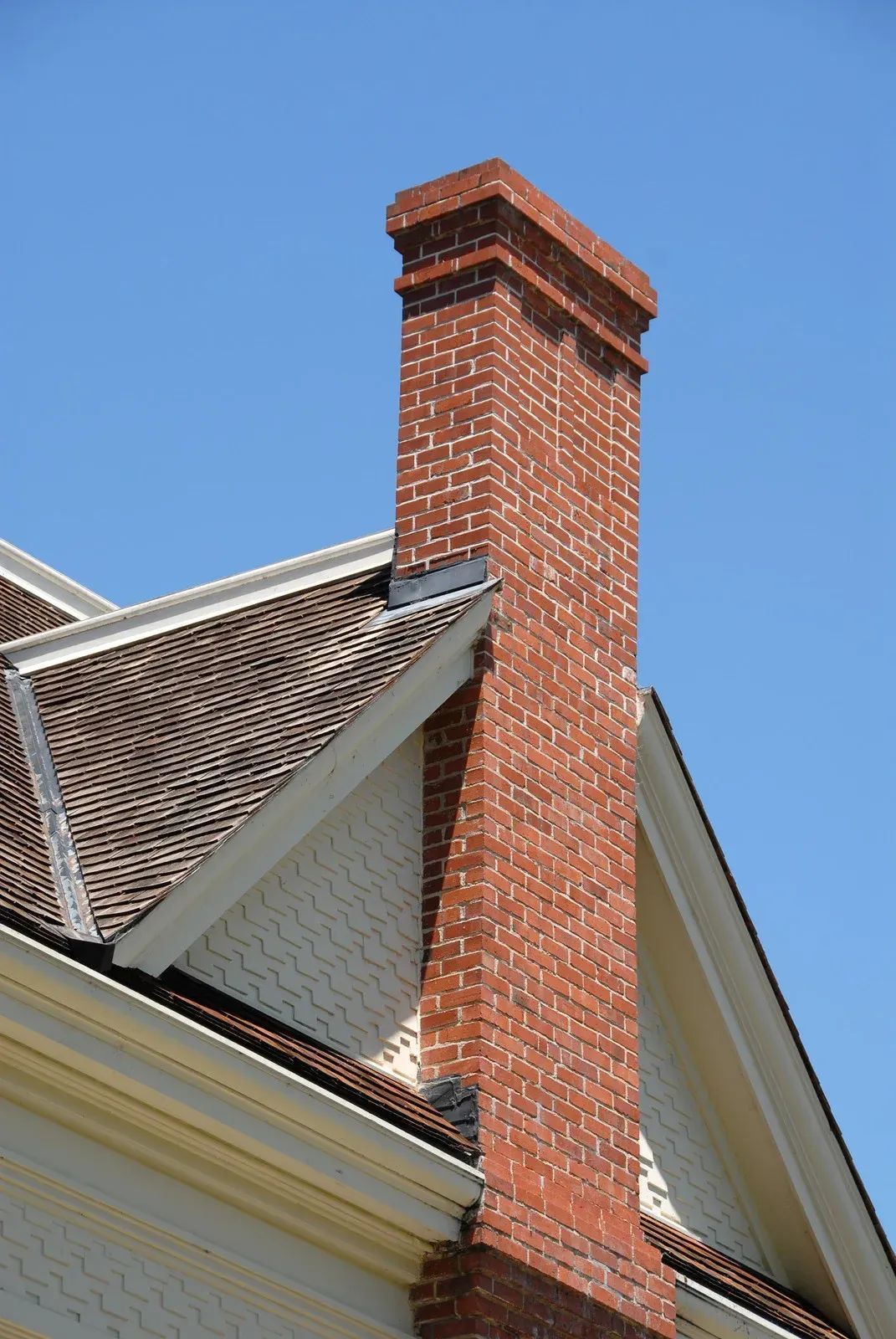
Brick chimney rising beside a house roof against a blue sky
May 12, 2026
Chimneys and flashing systems play a critical role in protecting residential roofing structures from water intrusion, heat loss, and long-term structural deterioration. When functioning correctly, these components work together to direct water away from vulnerable roof joints while maintaining proper ventilation for
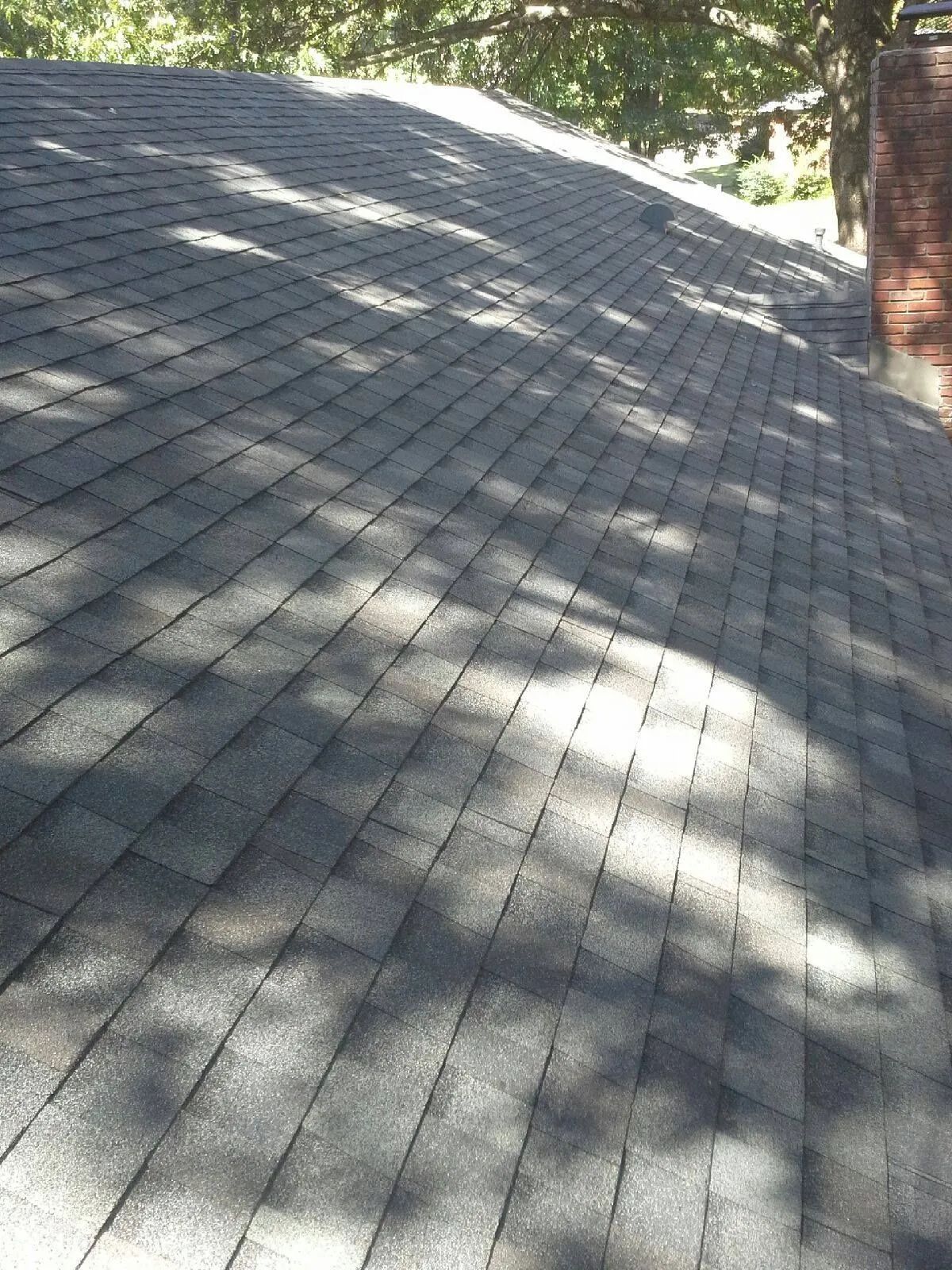
Gray shingled roof with a central ridge vent, viewed against green hillsides
April 18, 2026
Roof ventilation is a critical yet often overlooked component of a healthy and energy-efficient building envelope. It regulates airflow between the attic and the exterior environment, directly influencing indoor air quality, structural durability, and long-term energy performance.
A large tree limb rests heavily on a residential shingled roof, causing visible structural damage and debris.
March 25, 2026
Severe weather events, including hurricanes, tornadoes, hailstorms, and heavy winds, are an unavoidable part of life for many homeowners.
Show More
Brick chimney rising beside a house roof against a blue sky
May 12, 2026
Chimneys and flashing systems play a critical role in protecting residential roofing structures from water intrusion, heat loss, and long-term structural deterioration. When functioning correctly, these components work together to direct water away from vulnerable roof joints while maintaining proper ventilation for
Gray shingled roof with a central ridge vent, viewed against green hillsides
April 18, 2026
Roof ventilation is a critical yet often overlooked component of a healthy and energy-efficient building envelope. It regulates airflow between the attic and the exterior environment, directly influencing indoor air quality, structural durability, and long-term energy performance.
A large tree limb rests heavily on a residential shingled roof, causing visible structural damage and debris.
March 25, 2026
Severe weather events, including hurricanes, tornadoes, hailstorms, and heavy winds, are an unavoidable part of life for many homeowners.
Show More